

Every generation wrestles with the question: What does it mean to be human?
In our secular age, the answers are increasingly fragmented:
“You are what you feel.”
“You are what you desire.”
“You are what you produce.”
“You are what you identify as.”
“You are a random accident of biology.”
But Scripture offers a radically different vision—one that is ancient, beautiful, coherent, and life-giving.
The Bible teaches that humans are not cosmic accidents or self-invented beings. We are created, called, and crowned with dignity because we bear the image of God.
This week, we explore what it means to be human according to Scripture—and how this truth equips us to respond to modern identity confusion with clarity, compassion, and conviction.
THE FOUNDATION: GOD CREATED HUMANITY WITH PURPOSE
The opening chapters of Genesis are not optional background information. They are the foundation of the Christian worldview.
Genesis 1:26–27 — The Imago Dei
“Let us make mankind in our image, in our likeness… So God created mankind in His own image.”
This is one of the most profound statements ever written.
It tells us:
We are created
We are created by God
We are created like God
We are created for God
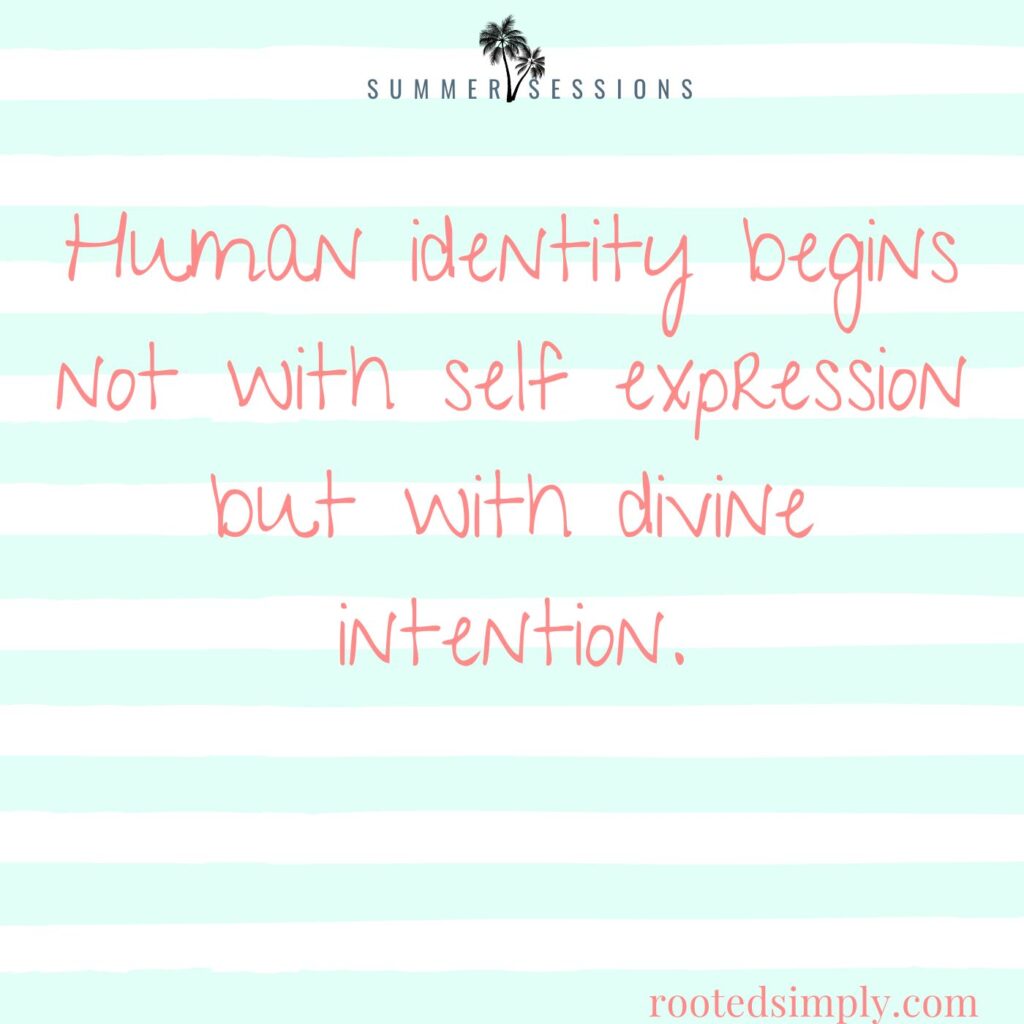
Human identity begins not with self-expression but with divine intention.


Genesis 2 — Humanity as embodied souls
Genesis 2 expands the picture:
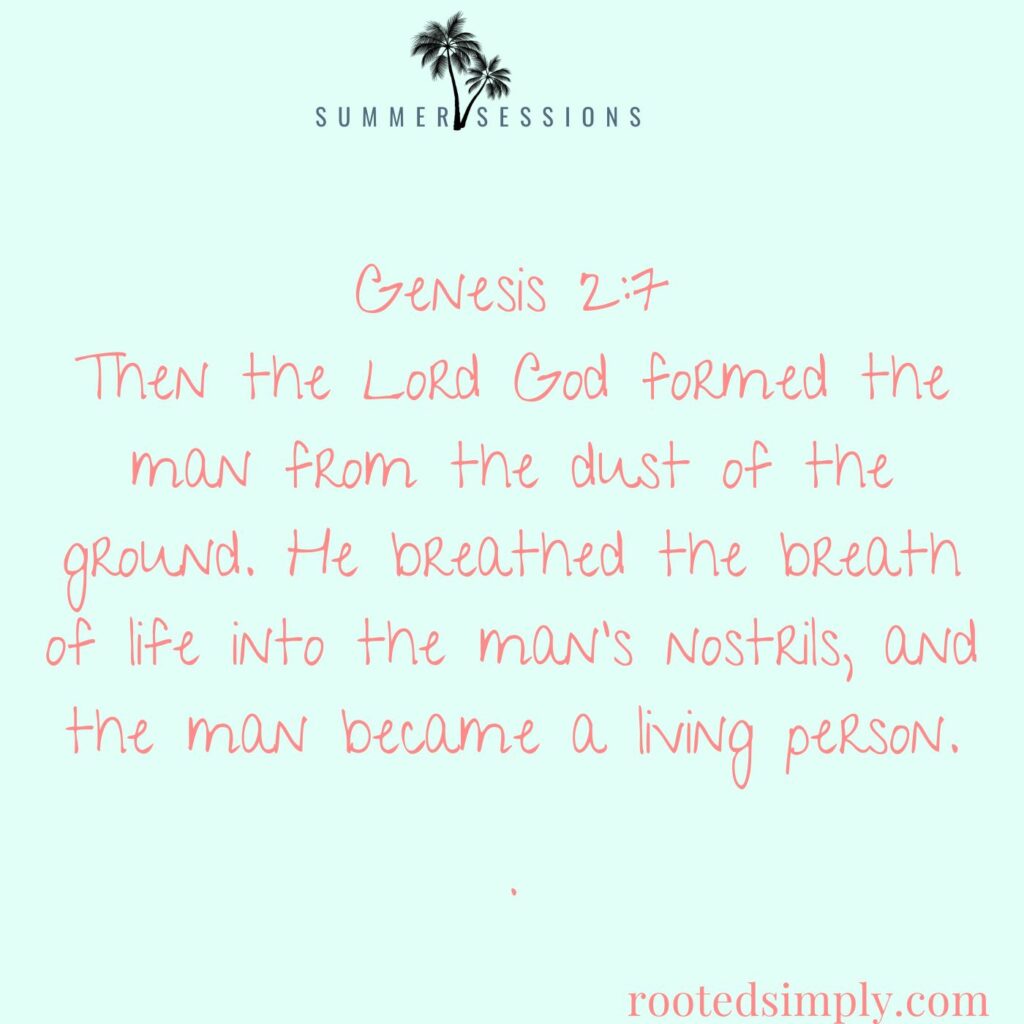
God forms Adam from the dust
God breathes life into him
God places him in a garden
God gives him work, boundaries, and relationship
Humans are not spirits trapped in bodies. We are embodied souls—physical and spiritual, material and immaterial.
Psalm 8 — Humanity crowned with glory
David marvels:
“What is mankind that You are mindful of them? You have crowned them with glory and honor.”
Human dignity is not earned. It is bestowed.
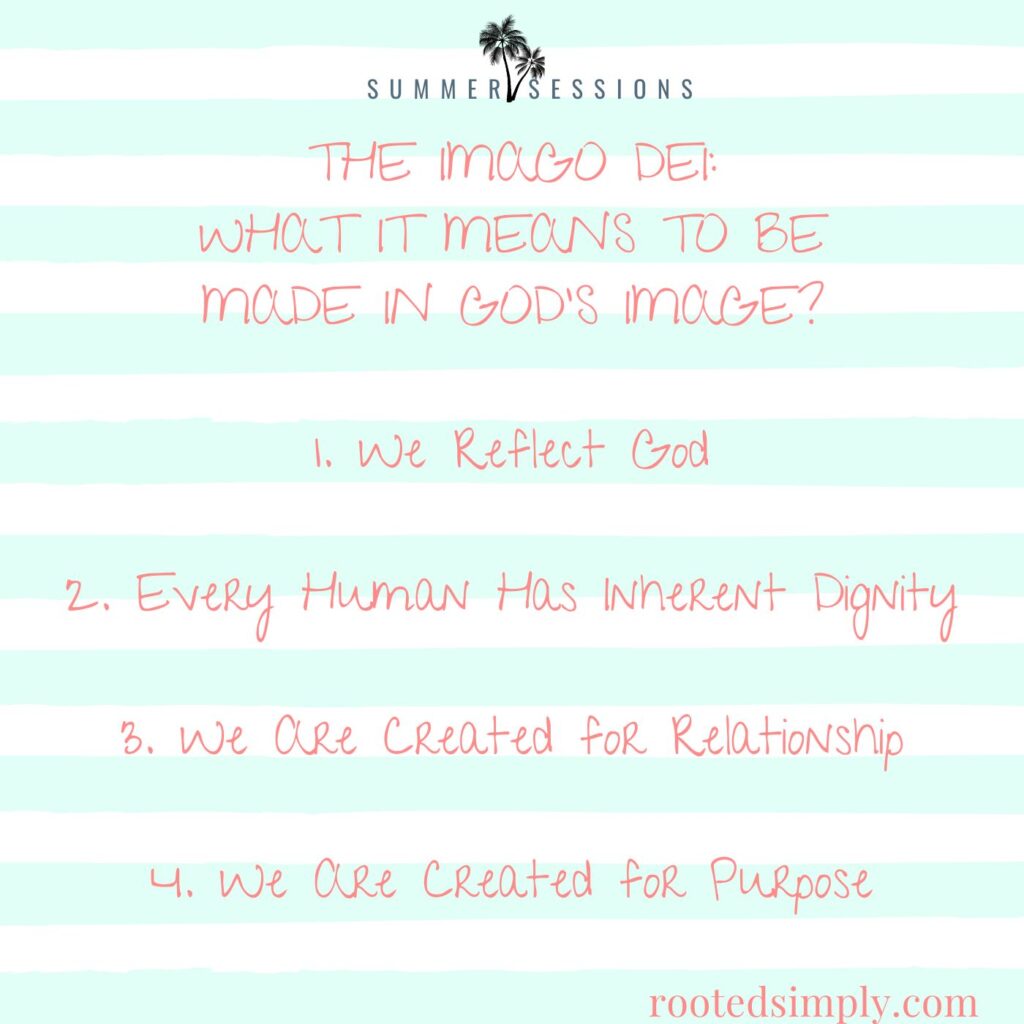
THE IMAGO DEI: WHAT IT MEANS TO BE MADE IN GOD’S IMAGE
The phrase Imago Dei (image of God) is one of the most important doctrines in Christianity. It answers the deepest questions of identity, purpose, and value.
1. The Image of God Means We Reflect God
We are not gods. But we reflect God in unique ways:
Rationality — the ability to think, reason, and create
Morality — the ability to discern right from wrong
Relationality — the capacity for love, community, and covenant
Spirituality — the ability to know and worship God
Authority — the calling to steward creation
No other creature bears this image. Not angels. Not animals. Only humans.
2. The Image of God Means Every Human Has Inherent Dignity
Human dignity is not based on:
age, ability, race, gender. productivity, intelligence, usefulness
Dignity is intrinsic because it is God-given.
This is why Christians defend:
the unborn, the elderly, the disabled, the oppressed. the marginalized, the forgotten
Every human life matters because every human bears God’s image.
3. The Image of God Means We Are Created for Relationship
God is relational—Father, Son, and Spirit. Therefore, humans are relational.
We are created for:
relationship with God
relationship with others
relationship with creation
Isolation is not natural. Community is not optional. Love is not a luxury. It is part of our design.
4. The Image of God Means We Are Created for Purpose
God gave humanity a mission:
“Be fruitful… fill the earth… subdue it… rule over creation.”
This is the cultural mandate—the calling to cultivate, create, build, steward, and bring order.
Work is not a curse. Work is worship.
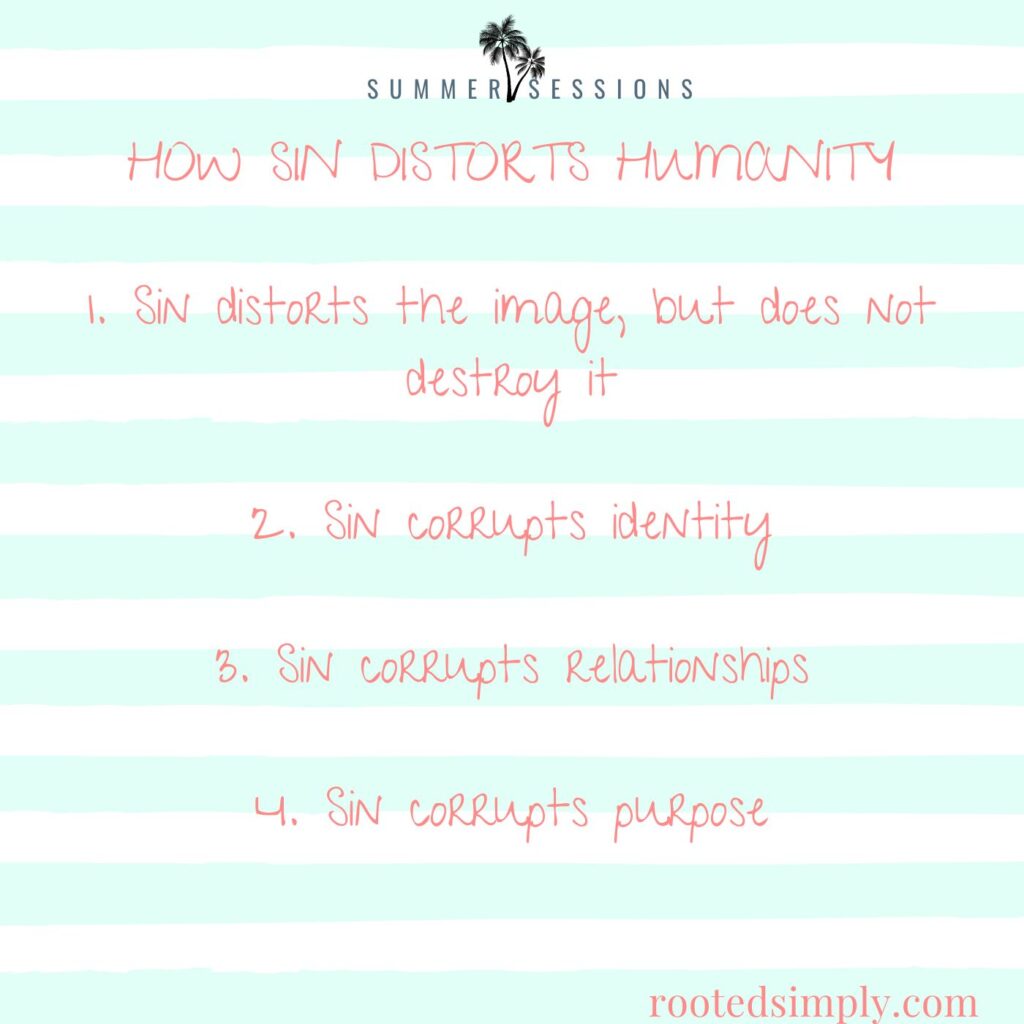
THE FALL: HOW SIN DISTORTS HUMANITY
Genesis 3 explains why the world—and our identity—feels fractured.
1. Sin distorts the image, but does not destroy it
Humans still bear God’s image after the fall (Genesis 9:6), but it is marred.
2. Sin corrupts identity
Instead of finding identity in God, humans seek identity in:
self
sexuality
success
power
approval
achievement
autonomy
3. Sin corrupts relationships
The fall produces:
shame
blame
conflict
domination
isolation
4. Sin corrupts purpose
Work becomes toil. Authority becomes abuse. Creativity becomes idolatry.
Why this matters
Modern identity confusion is not new. It is ancient. It is the result of sin.
THE GOSPEL: JESUS RESTORES THE IMAGE OF GOD IN US
Jesus is not only Savior—He is the perfect image of God.
“He is the image of the invisible God.” — Colossians 1:15
Jesus shows us:
what humanity was meant to be
what humanity can become
what humanity will be in the new creation
1. Jesus restores our identity
In Christ, we are:
forgiven
adopted
beloved
chosen
renewed
transformed
Identity is not self-constructed. It is God given.
2. Jesus restores our dignity
The cross declares:
you are worth the blood of Christ
you are not defined by your sin
you are not defined by your past
you are not defined by your failures
3. Jesus restores our purpose
In Christ, we are called to:
love God
love people
make disciples
steward creation
reflect His character
4. Jesus restores our destiny
The image of God will one day be fully restored.
“We shall be like Him.” — 1 John 3:2
HUMANITY IN A SECULAR AGE: COMPETING STORIES OF IDENTITY
Our culture offers several competing narratives about what it means to be human.
1. The Secular Story: “You are an accident.”
Humanity is the product of:
chance time matter
There is no purpose. No design. No meaning.
2. The Expressive Individualist Story: “You are what you feel.”
Identity is internal. Truth is subjective. Authenticity is the highest virtue.
3. The Materialist Story: “You are what you produce.”
Value is based on:
Productivity, achievement. contribution
4. The Sexual Identity Story: “You are your desires.”
Sexual feelings become the core of identity.
5. The Biblical Story: “You are made in God’s image.”
Identity is:
received, not achieved
rooted in creation, not culture
grounded in God, not self
This is the only story that gives:
dignity
purpose
coherence
hope
THE IMAGO DEI AND MODERN IDENTITY CONFUSION
Our culture is experiencing an identity crisis. People are asking:
Who am I?
What am I worth?
What defines me?
What is my purpose?
Why do I exist?
The Imago Dei answers these questions with clarity and compassion.
1. Identity is received, not invented
You do not create yourself. You discover who God created you to be.
2. Your body is part of your identity
Genesis 2 shows that embodiment is essential to humanity. Your body is not a mistake. It is a gift.
3. Your worth is intrinsic, not earned
You are valuable because God made you—not because of what you do.
4. Your purpose is rooted in creation
You were made to: worship, work, love, create, steward, reflect God
5. Your identity is restored in Christ
You are not defined by: your past, your desires, your failures, your trauma, your achievements
You are defined by Christ.
HOW TO RESPOND TO MODERN IDENTITY CONFUSION WITH TRUTH AND GRACE
Christians must respond with both conviction and compassion.
1. Listen before you speak
Identity struggles are often rooted in: pain, confusion, trauma, loneliness, longing. Listening builds trust.
2. Speak truth with gentleness
Truth without love is harsh. Love without truth is hollow.
3. Affirm dignity without affirming deception
Every person is made in God’s image. Every person deserves respect. But not every identity claim is true.
4. Point people to a better story
The gospel offers:
a better identity
a better purpose
a better hope
5. Be patient
Identity transformation is a process.
6. Keep Jesus central
He is the only one who can restore the image of God in us.
PRACTICAL APPLICATION: A GOSPEL RESPONSE TO IDENTITY CONFUSION
Here is a simple framework for responding to identity confusion.
1. Creation — “You were made by God.”
Your identity is rooted in divine design.
2. Fall — “Sin distorts identity.”
Confusion is real—but it is not the final word.
3. Redemption — “Jesus restores identity.”
He heals what sin has broken.
4. New Creation — “Your future is secure.”
You will one day reflect God’s image perfectly.
A simple summary
“You are created by God, broken by sin, redeemed by Christ, and destined for glory.”

A SIMPLE FRAMEWORK FOR EXPLAINING THE IMAGO DEI
When someone asks, “What does it mean to be human?” you can respond:
1. We are created by God
Not accidents.
2. We are made in God’s image
Not self-invented.
3. We are given dignity
Not earned.
4. We are given purpose
Not self-assigned.
5. We are broken by sin
Not hopeless.
6. We are restored in Christ
Not defined by our past.
This is the most coherent, beautiful, and hope filled vision of humanity ever offered.
CONCLUSION: YOU ARE MADE IN GOD’S IMAGE—AND THAT CHANGES EVERYTHING
In a world confused about identity, purpose, and value, the doctrine of the Imago Dei shines like a lighthouse.
It tells you:
You are not an accident
You are not a mistake
You are not defined by your feelings
You are not defined by your failures
You are not defined by your achievements
You are not defined by your trauma
You are not defined by your desires
You are defined by your Creator.
You are made in God’s image. You are loved by God. You are pursued by God. You are redeemed by Christ. You are empowered by the Spirit. You are destined for glory.
This is what it means to be human. This is what it means to belong to God. This is what it means to live with purpose in a secular age.