

Division is nothing new. We see it everywhere — in families, workplaces, neighborhoods, and yes, even in churches. But long before our modern fractures, the early church in Corinth was already struggling with the same problem. Their story reminds us that giftedness doesn’t guarantee unity, and passion doesn’t automatically produce love.
This week, we step into Paul’s opening words in 1 Corinthians 1:10–16 and his famous description of love in 1 Corinthians 13:4–7. Together, these passages offer a powerful truth:
Love is the antidote to the divisions tearing the Corinthian church apart — and the divisions that threaten us today.
A Fractured Church
Paul begins his letter with a plea: “Let there be no divisions among you.” Why? Because the church had splintered into factions:
“I follow Paul.”
“I follow Apollos.”
“I follow Cephas.”
“I follow Christ.”
These weren’t theological disagreements. They were status-driven tribes. People were using leaders as badges of spiritual superiority. Pride was fueling quarrels, and the church was slowly tearing itself apart.
Paul’s piercing question still echoes: “Is Christ divided?”
When we elevate personalities, preferences, or positions above Jesus, unity becomes impossible.
Pride Masquerading as Maturity
The Corinthians believed they were spiritually mature. They had gifts, knowledge, eloquence, and passion. But Paul exposes the truth: their behavior revealed immaturity, not depth.
They had confused giftedness with godliness.
It’s possible to be talented and still be unloving. It’s possible to be knowledgeable and still be prideful. It’s possible to be active in ministry and still be spiritually unhealthy.
Their divisions weren’t about doctrine — they were about ego.
Love That Does Not Insist on Its Own Way
Paul doesn’t respond with a leadership strategy or a conflict resolution plan. Instead, he points them to love — the kind of love described in 1 Corinthians 13.
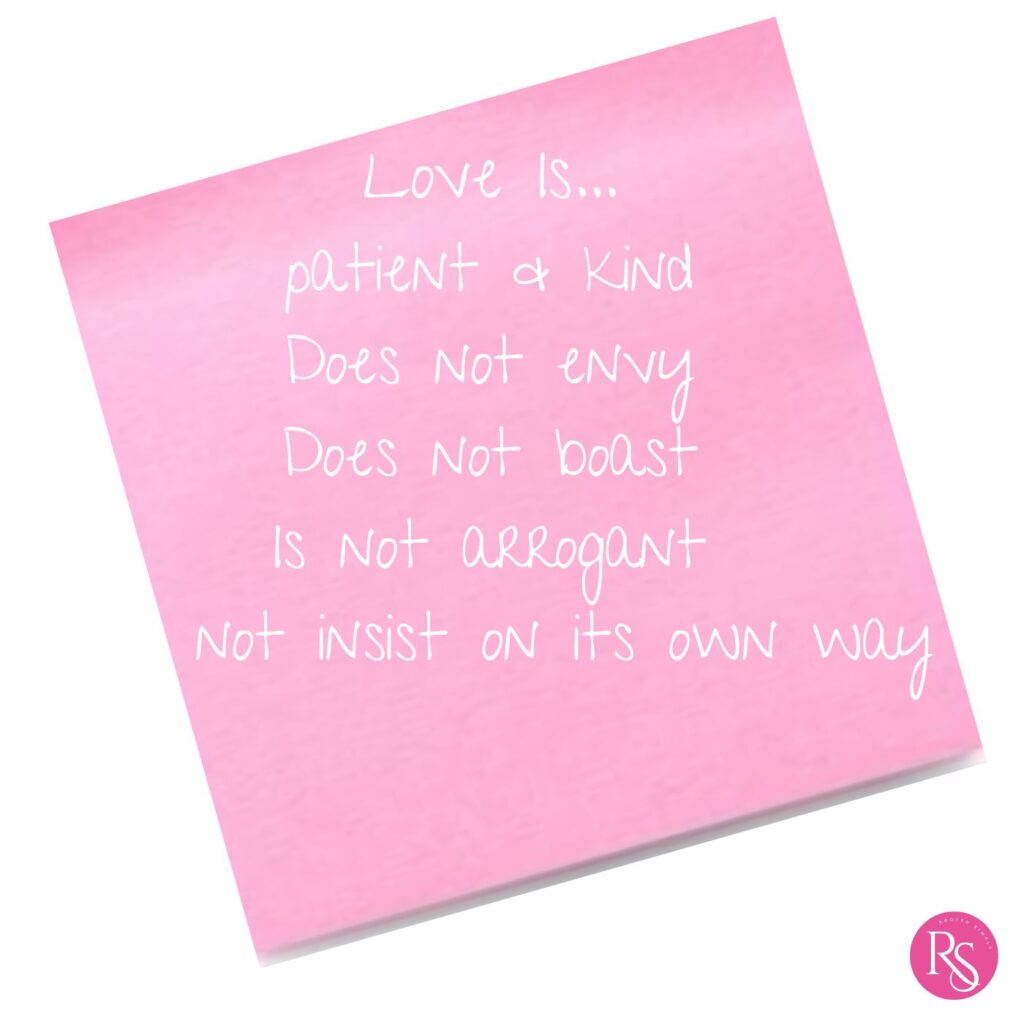
This isn’t wedding poetry. This is church conflict medicine.
Love dismantles the status games that pride creates. Love refuses to use people as stepping stones. Love chooses unity over ego.
If the Corinthians had practiced this kind of love, their divisions would have dissolved.
Unity Rooted in the Cross
Paul brings everything back to the center: Christ is not divided.
The cross levels us all:
No one is superior.
No one is more spiritual.
No one gets to boast.
We all come to Jesus the same way — by grace. And because we share the same Savior, we share the same calling: unity.
Unity doesn’t mean uniformity. It means shared allegiance to Christ above all else.
When the cross is our center, preferences lose their power to divide.
Where Do We Go From Here?
Paul’s words invite us to examine our own hearts.
1. Where do we choose preference over unity?
Worship style
Teaching style
Ministry methods
Cultural differences
Personal comfort
“My way” vs. “our way”
Unity is tested not when we agree, but when we don’t.
2. How can we practice peacemaking this week?
Listen before speaking
Assume the best about others
Refuse gossip
Apologize quickly
Encourage someone you normally overlook
Pray for someone you struggle with
Choose collaboration over competition
Peacemaking isn’t passive. It’s active, intentional love.

The Corinthian church didn’t need better leaders or better arguments. They needed better love — the kind of love that looks like Jesus.
And so do we.
As we begin this journey through 1 Corinthians, may we be a people who refuse to let pride divide us, who choose unity over preference, and who practice the kind of love that heals what division breaks.
A wonderful message we all need to soak in! Thank you for this!
Thank you.