

Confrontation is uncomfortable. Most of us avoid it whenever possible. But Scripture shows us that love sometimes requires courage — the courage to speak truth that heals rather than to remain silent and harm.
In 1 Corinthians 5:1–13 and 10:14–22, Paul addresses two serious issues in the Corinthian church: open sin and creeping idolatry. When paired with 1 Corinthians 13:6, the message becomes clear:
Love does not rejoice in wrongdoing — it rejoices in the truth that sets people free.

Real love refuses to celebrate what destroys. Real love tells the truth that restores.
The Danger of Celebrating Sin
Paul is shocked by what he hears about the Corinthian church. A kind of sexual immorality is being openly tolerated — something “not even pagans” would accept. But the problem isn’t only the sin itself. It’s the church’s response.
They were proud of their tolerance.
Instead of grieving, they were boasting. Instead of addressing the issue, they were ignoring it. Instead of protecting the vulnerable, they were enabling harm.
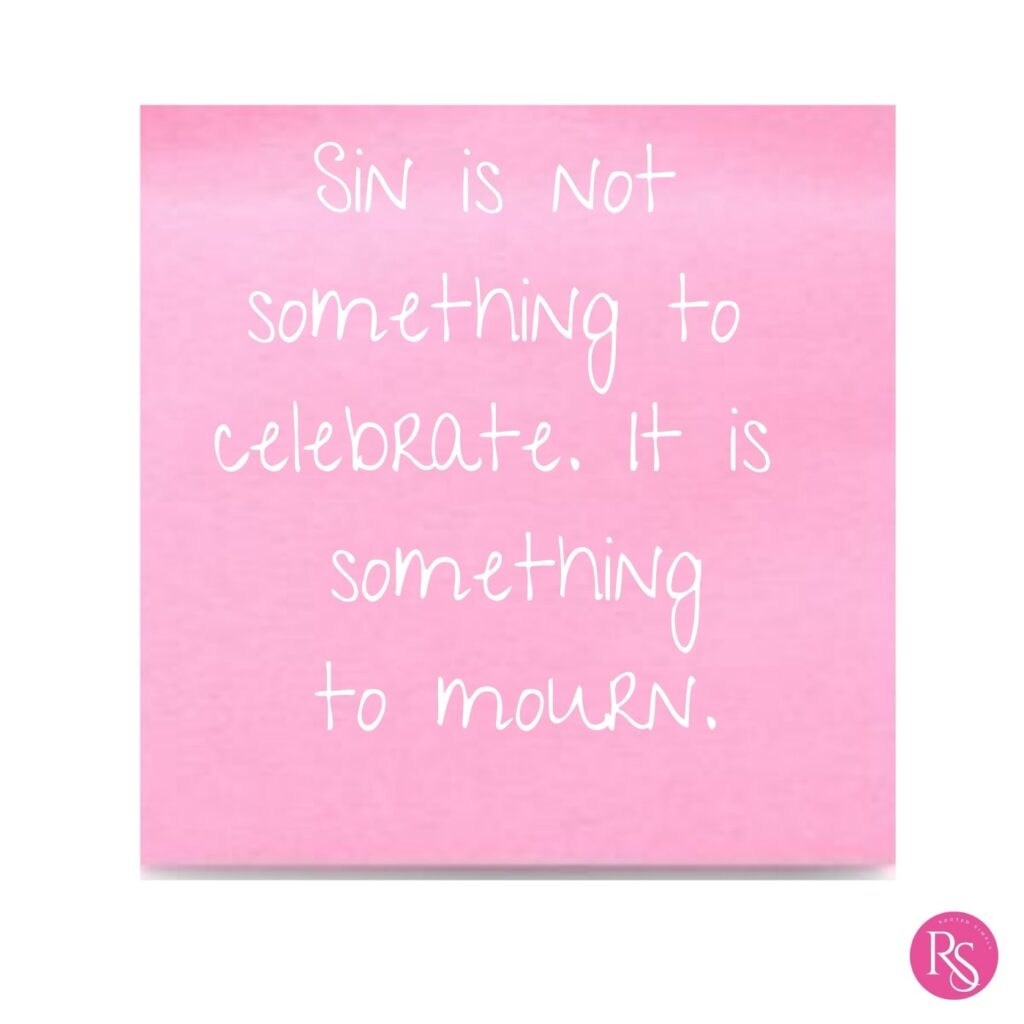
Paul’s words cut through the confusion: Sin is not something to celebrate. It is something to mourn.
Love never applauds what destroys a person’s soul. Love never calls bondage “freedom.” Love never confuses acceptance with approval.
To tolerate what God calls destructive is not compassion — it is neglect.
The Danger of Idolatry
In chapter 10, Paul turns to another issue: idolatry. Some believers were participating in pagan feasts, assuming their spiritual maturity made them immune to danger.
Paul warns them:
“You cannot drink the cup of the Lord and the cup of demons.”
Idolatry isn’t just bowing to statues. It’s giving our loyalty, affection, or trust to anything that competes with Christ.
Paul’s point is simple: You cannot cling to Jesus with one hand and cling to idols with the other.
Love confronts idolatry because idolatry always leads to slavery.
Love Confronts for the Sake of Restoration
Confrontation is not about punishment. It’s about restoration.
Paul’s goal is not to shame the sinner but to rescue them. Not to condemn, but to redeem. Not to expose, but to heal.
This is why he says in 1 Corinthians 13:6:
“Love does not rejoice at wrongdoing, but rejoices with the truth.”
Truth is not harsh when it is motivated by love. Truth becomes a scalpel — painful, yes, but healing. Truth becomes a light — exposing darkness so freedom can begin.
Love that never confronts is not love. It is fear dressed up as kindness.
Holiness as an Expression of Love
Holiness is not legalism. Holiness is not superiority. Holiness is not cold rule-keeping.

Holiness is love in action.
God’s truth:
Protects us from what destroys
Purifies what sin distorts
Restores what brokenness steals
When the church pursues holiness, it becomes a place of safety, clarity, and healing. When the church ignores holiness, it becomes a place of confusion and harm.
Love calls us to something better — a life shaped by truth, empowered by grace, and anchored in Christ.
Where Is God Calling You to Speak Truth in Love?
This week, ask yourself:
Where is God inviting me to speak truth in love?
A friend drifting toward destructive choices
A family member caught in a harmful pattern
A fellow believer who needs gentle correction
A situation where silence would communicate approval
A place in your own life where truth needs to be spoken
Truth without grace wounds. Grace without truth deceives. But truth with grace transforms.

Love Confronts With Courage
The Corinthians struggled because they confused tolerance with love. But Paul reminds us that love is courageous enough to confront — not to condemn, but to restore.
May we be a people who refuse to rejoice in wrongdoing, who rejoice in the truth, and who speak with the same grace and clarity that Jesus speaks to us.