

One of my favorite ways to add personality to a garden is by incorporating unexpected or repurposed items. These pieces tell a story, spark curiosity, and make the space feel uniquely yours.
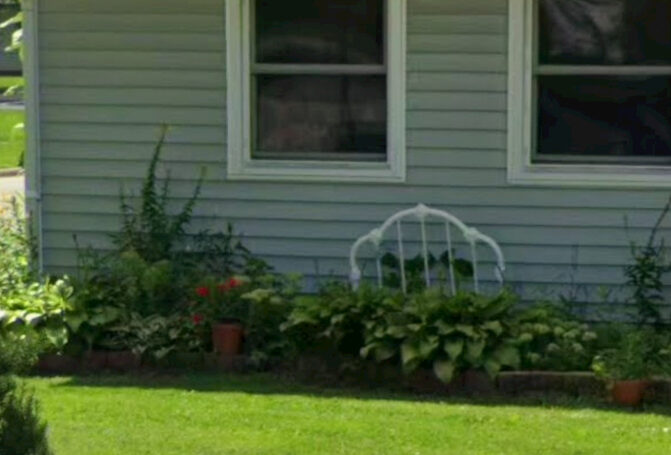
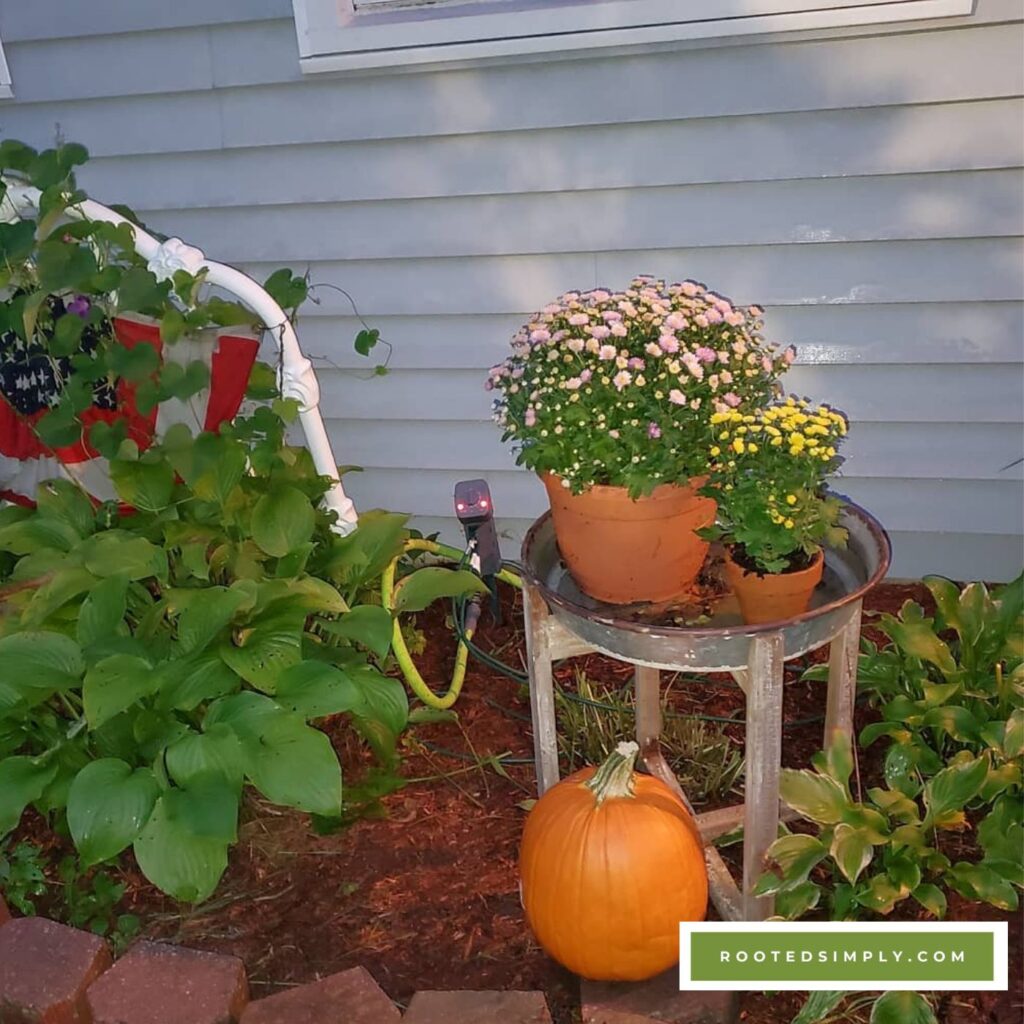
In my own garden, I use my white metal childhood headboard as a feature piece. It peeks out from behind flowers like a little secret from my past, adding charm and nostalgia. Found and repurposed items can be both decorative and functional.
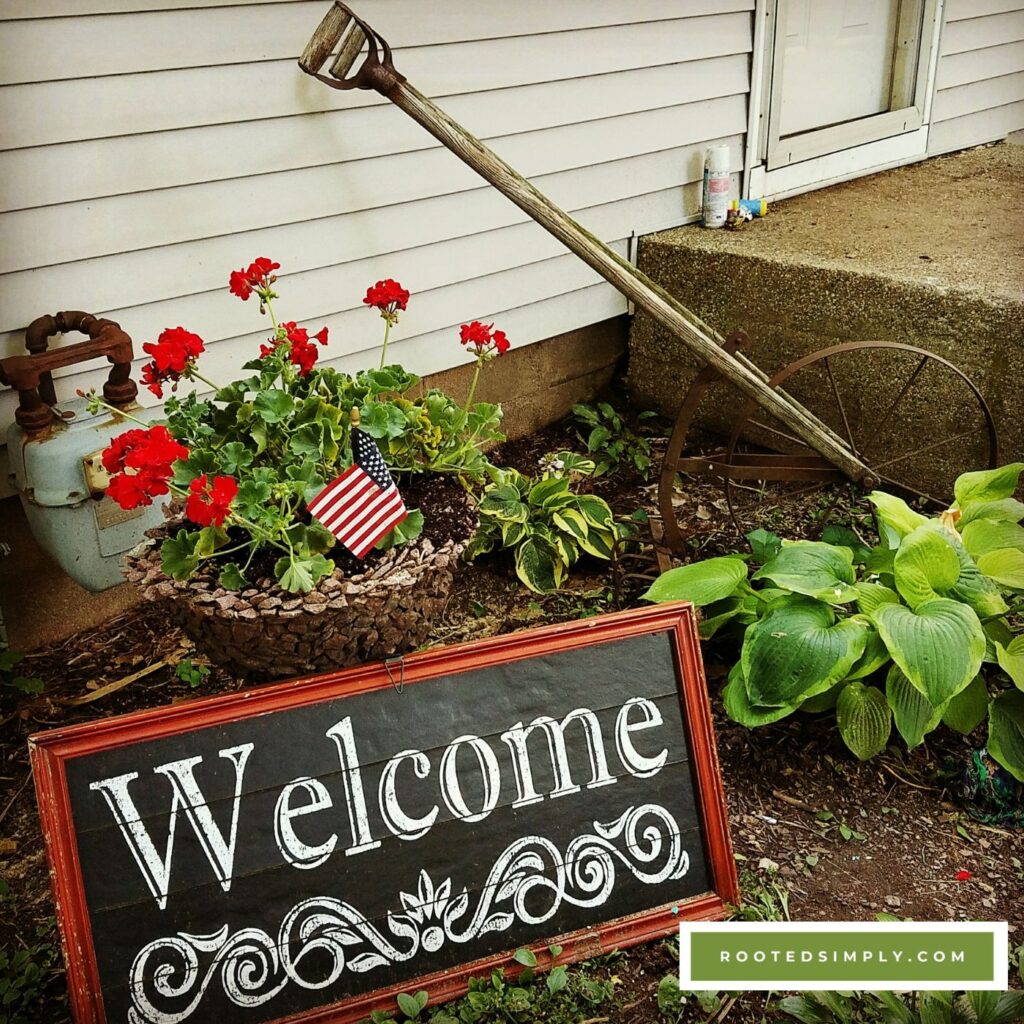
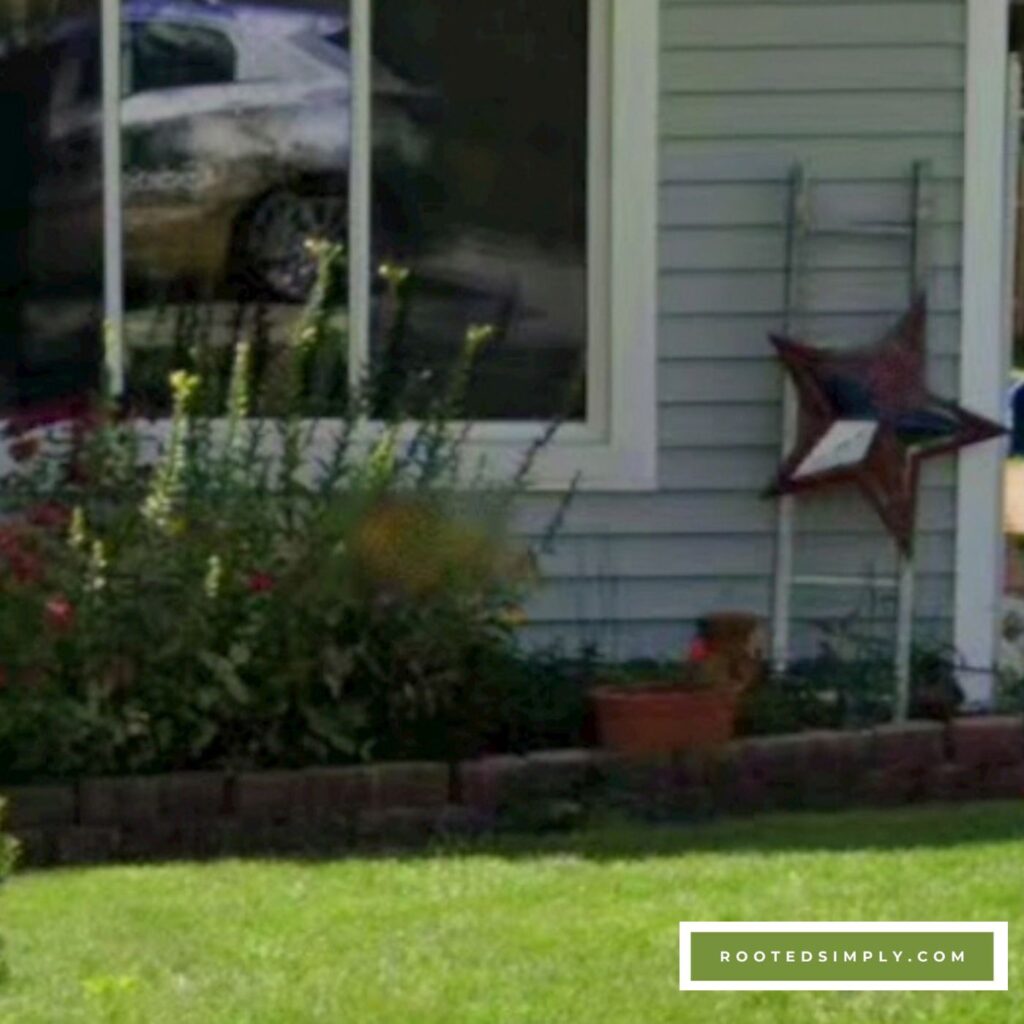
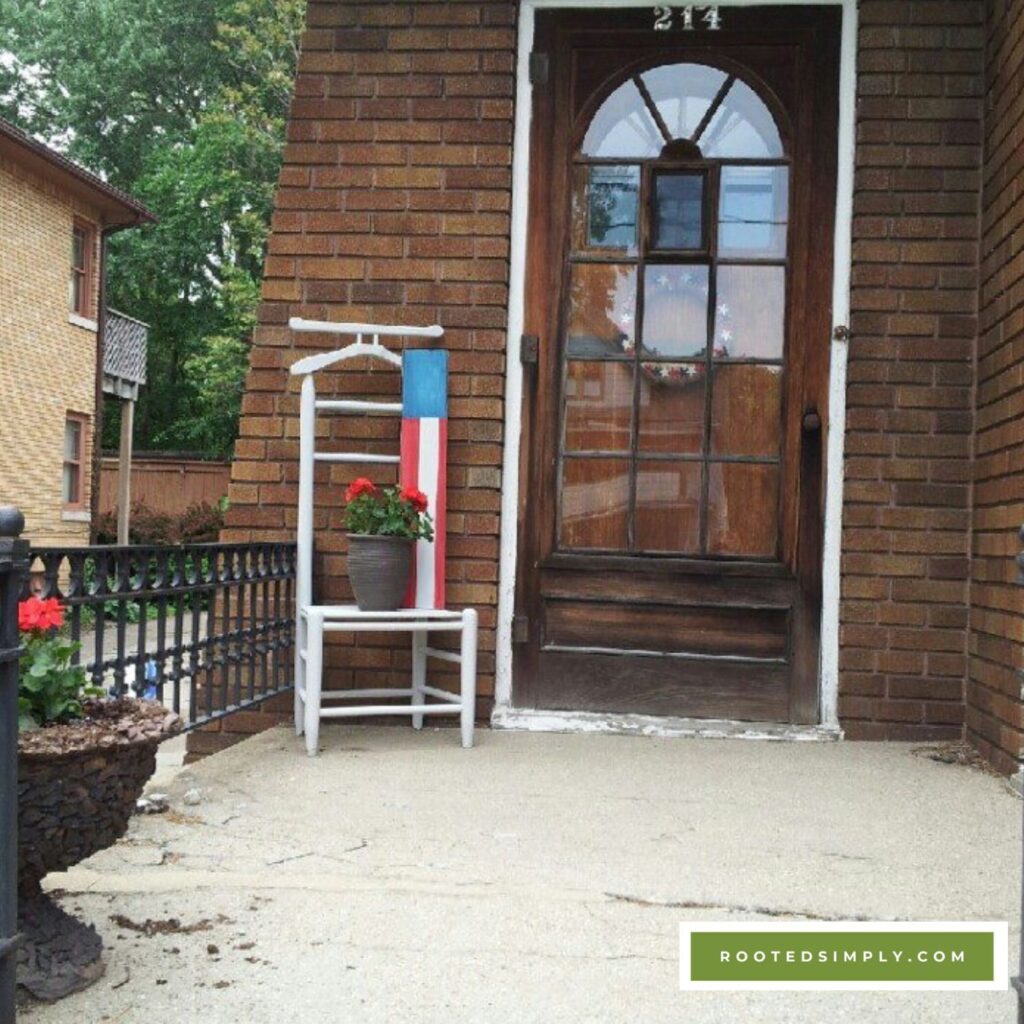
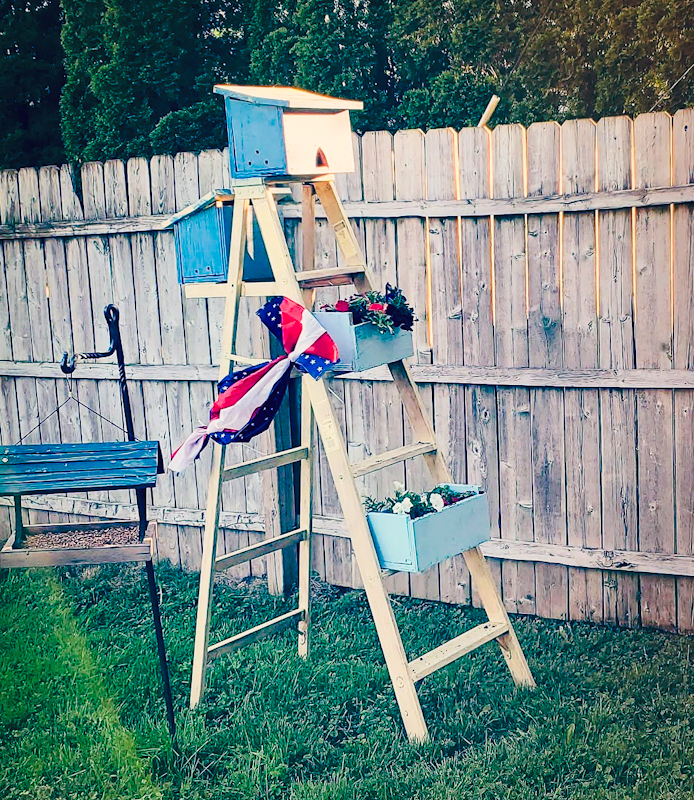
A found a welcome sign, a repurposed yard tool, an old ladder and an antique chair that was pulled from the neighbor’s trash, all have found their way into my garden decor.
The Soul of the Unexpected: Why Found Objects Work
Found objects work in gardens because they disrupt the predictable. A garden is already a place of transformation—seeds become blooms, bare branches become shade, soil becomes sustenance. When you add a found object, you echo that transformation in a tangible way.
Here’s why they resonate so deeply:
They carry history. A weathered chair or old ladder has lived a life before entering your garden. That sense of time adds depth.
They invite storytelling. Visitors ask, “Where did you find that?” and suddenly the garden becomes a conversation.
They spark curiosity. The unexpected makes people look twice, notice more, slow down.
They create contrast. Soft petals against hard metal. Wild vines climbing a forgotten tool. Contrast is visual magic.
They honor resourcefulness. Using what you have—or what you stumble upon—feels grounded, humble, and creative.
A garden filled with found objects becomes a place where the ordinary is reimagined, where nothing is wasted, and where beauty is discovered rather than purchased.
The Art of Seeing: Training Your Eye for Possibility
The difference between junk and treasure is often just perspective. To bring the unexpected into your garden, you must learn to see objects not for what they were, but for what they could be.
Here are ways to cultivate that vision:
Look for shape, not function. A broken rake becomes a fan shaped trellis. A colander becomes a hanging planter. Follow the form, not the original purpose.
Notice texture. Rust, patina, peeling paint, worn wood—these add character that new items can’t replicate.
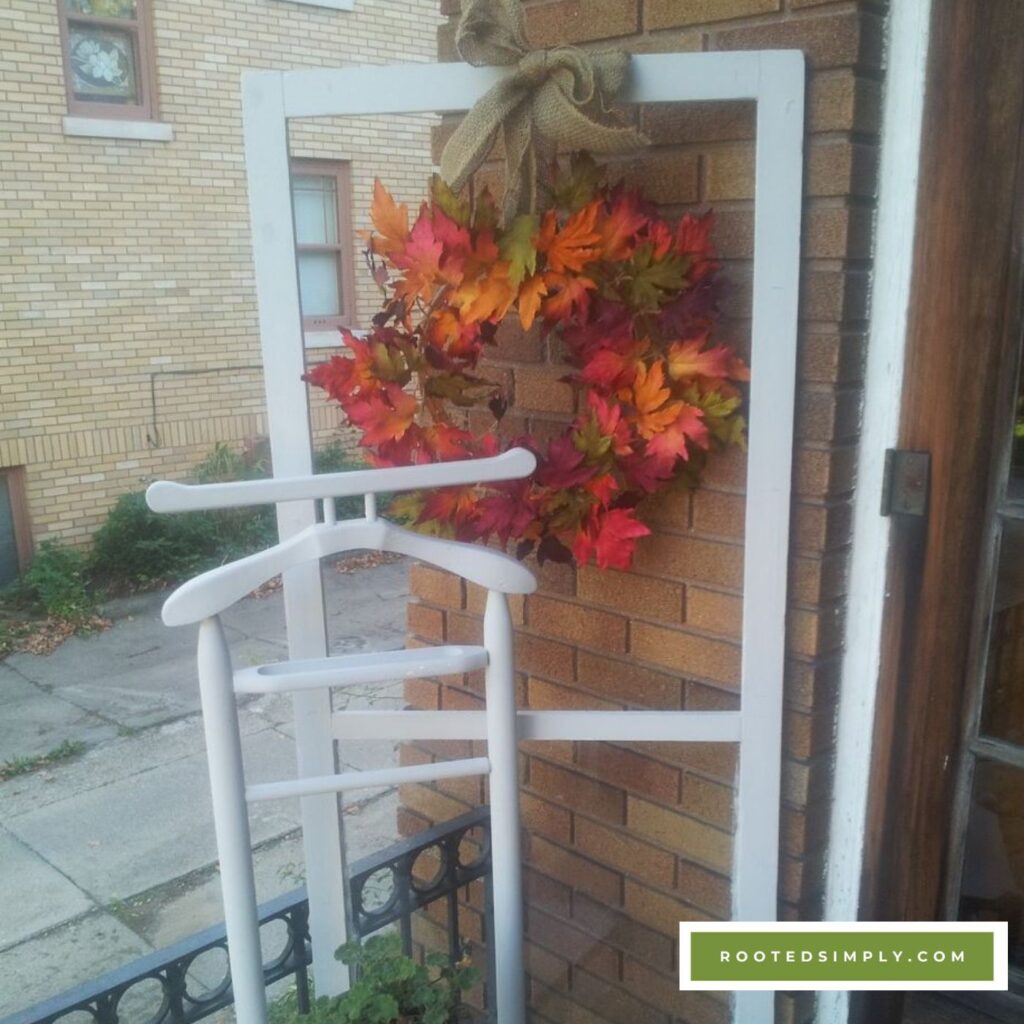
Think vertically. Many found objects—ladders, doors, screens—add height and structure to the garden.
Let whimsy lead. If an object makes you smile, it belongs in your garden.
Embrace imperfection. Weathered, chipped, dented, faded—these are features, not flaws.
Seeing potential is a skill that grows with practice. The more you experiment, the more your imagination expands.
Categories of Found Objects That Transform a Garden
Below are categories of objects that consistently bring charm, surprise, and personality into outdoor spaces. Each category includes ideas for how to use them creatively.
1. Furniture Fragments
Old furniture—especially pieces too worn for indoor use—can become sculptural elements outdoors.
Chairs become plant stands, trellises, or frames for climbing vines.
Dressers can be turned into tiered planters, with drawers pulled out at staggered angles.
Headboards and footboards make beautiful garden gates or backdrops for flower beds.
Benches—even broken ones—add a sense of invitation and nostalgia.
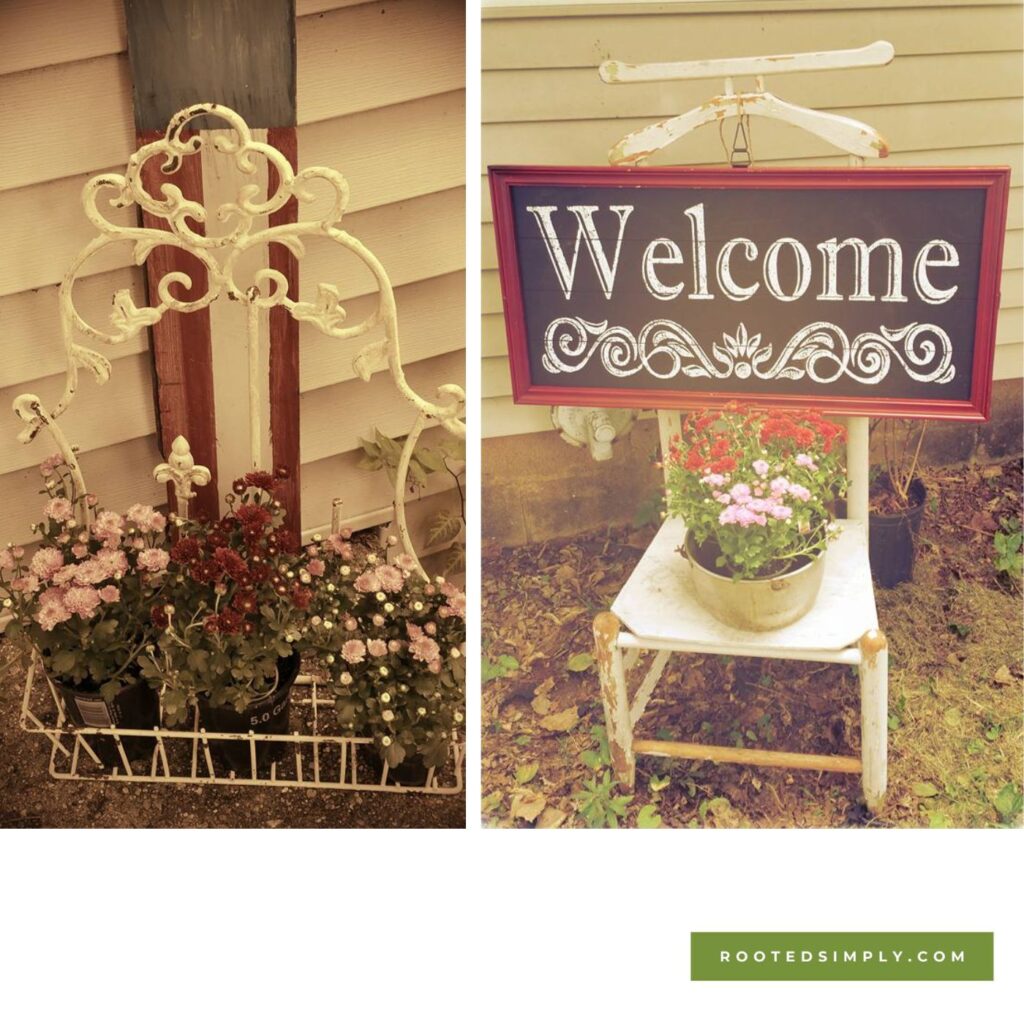
Furniture adds a human scale to the garden, reminding visitors that this is a place meant to be inhabited, not just admired.
2. Tools and Implements
Old tools carry the spirit of labor, history, and craftsmanship.
Rakes become wall art or drying racks for herbs.
Shovels can be painted with floral designs or used as quirky signage.
Ladders make perfect trellises for beans, peas, or morning glories.
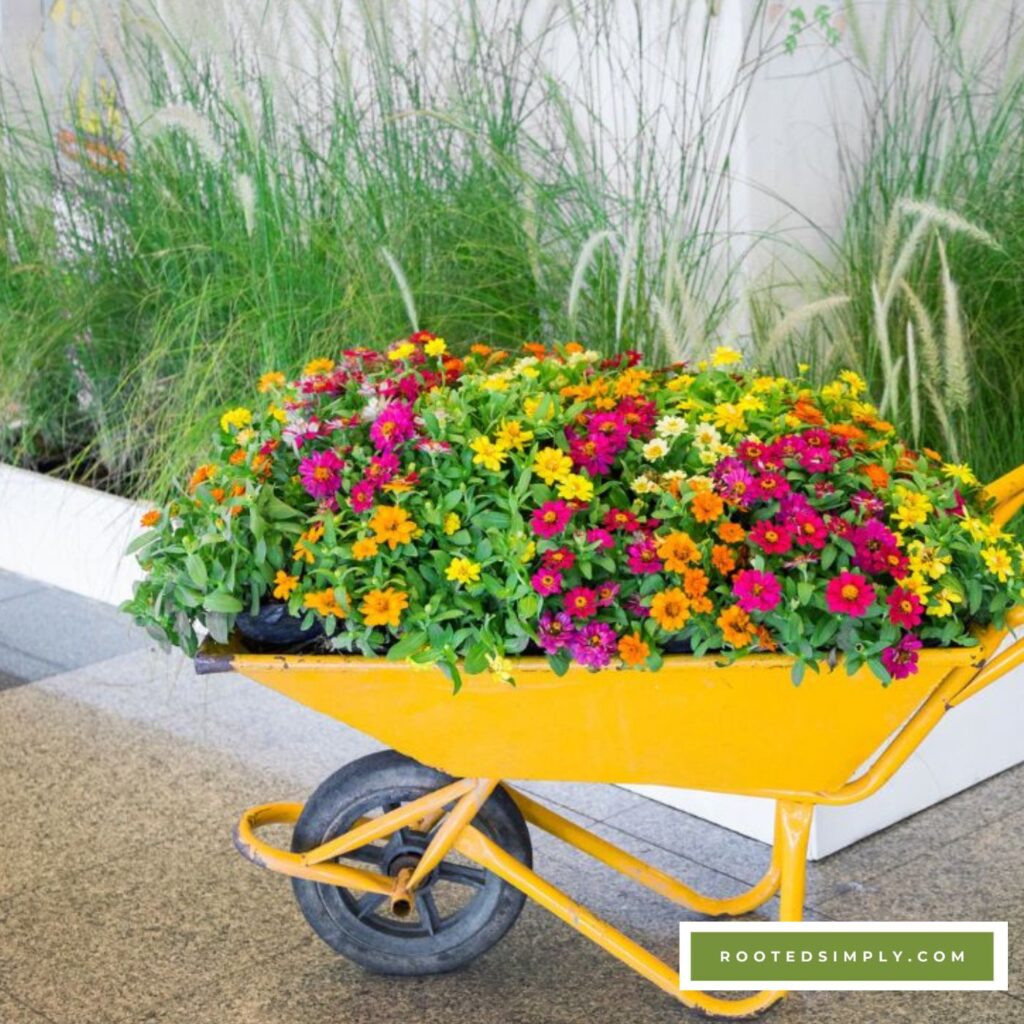
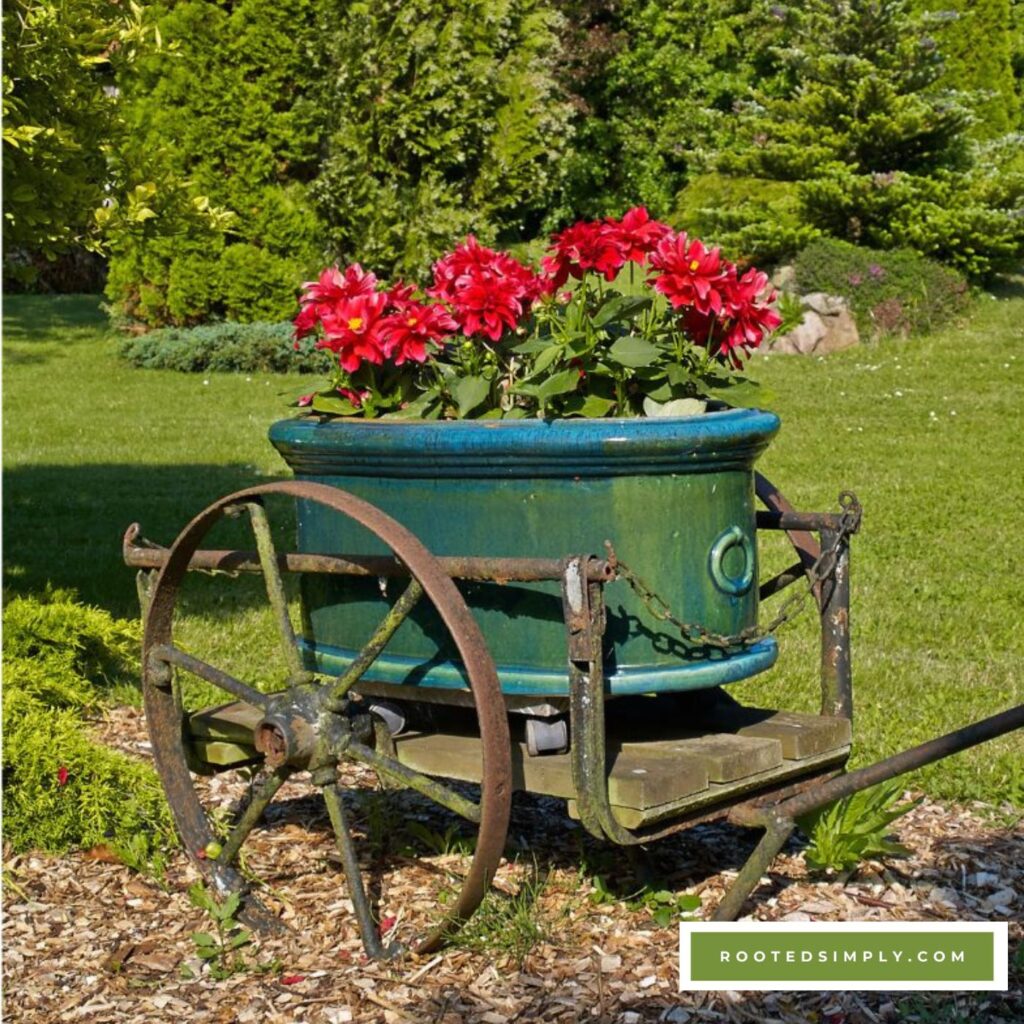
Wheelbarrows become mobile planters that can be rearranged seasonally.
Tools remind us that gardens are built with hands, sweat, and love.
3. Household Items
Everyday objects take on new life outdoors.
Teapots and teacups become planters for succulents or moss.
Colanders make charming hanging baskets.
Old bowls or enamelware become birdbaths or fairy garden containers.
Mirrors create the illusion of depth and secret spaces.
These items add a touch of domestic warmth, blurring the line between home and garden.
4. Wooden Odds and Ends
Wood ages beautifully outdoors.
Crates become rustic shelving for potted herbs.
Pallets can be transformed into vertical gardens.
Driftwood becomes sculpture or edging.
Old doors create portals, backdrops, or privacy screens.
Wooden objects soften the garden and add a sense of organic continuity.
5. Metal Treasures
Metal weathers into gorgeous patinas.
Buckets become planters or water features.
Tin roofing becomes edging or a backdrop for climbing roses.
Rusty springs become plant supports.
Vintage signs add color and nostalgia.
Metal objects bring durability and visual weight to the garden.
6. Containers of All Kinds
If it can hold soil—or be modified to—it’s a planter.
Suitcases
Toolboxes
Birdcages
Wine crates
Old sinks or bathtubs
Containers are the easiest way to introduce found objects because they serve a clear purpose while still offering creative freedom.
How to Integrate Found Objects Seamlessly
Found objects should feel like they belong—not like they were dropped randomly into the garden. Here’s how to integrate them with intention.
1. Let plants lead the way
Plants soften hard edges, blur lines, and make objects feel rooted in place.
Let vines climb ladders or chairs.
Let moss grow on stone or wood.
Let flowers spill from drawers or buckets.
When plants and objects interact, the magic happens.
2. Choose a color story
You don’t need everything to match, but a loose palette helps unify the space.
Whites and neutrals for a cottage feel.
Rusts and greens for a woodland vibe.
Bright colors for a playful, eclectic garden.
Paint can refresh an object—or you can let weathering do the work.
3. Create focal points
A single unexpected object can anchor an entire bed or pathway.
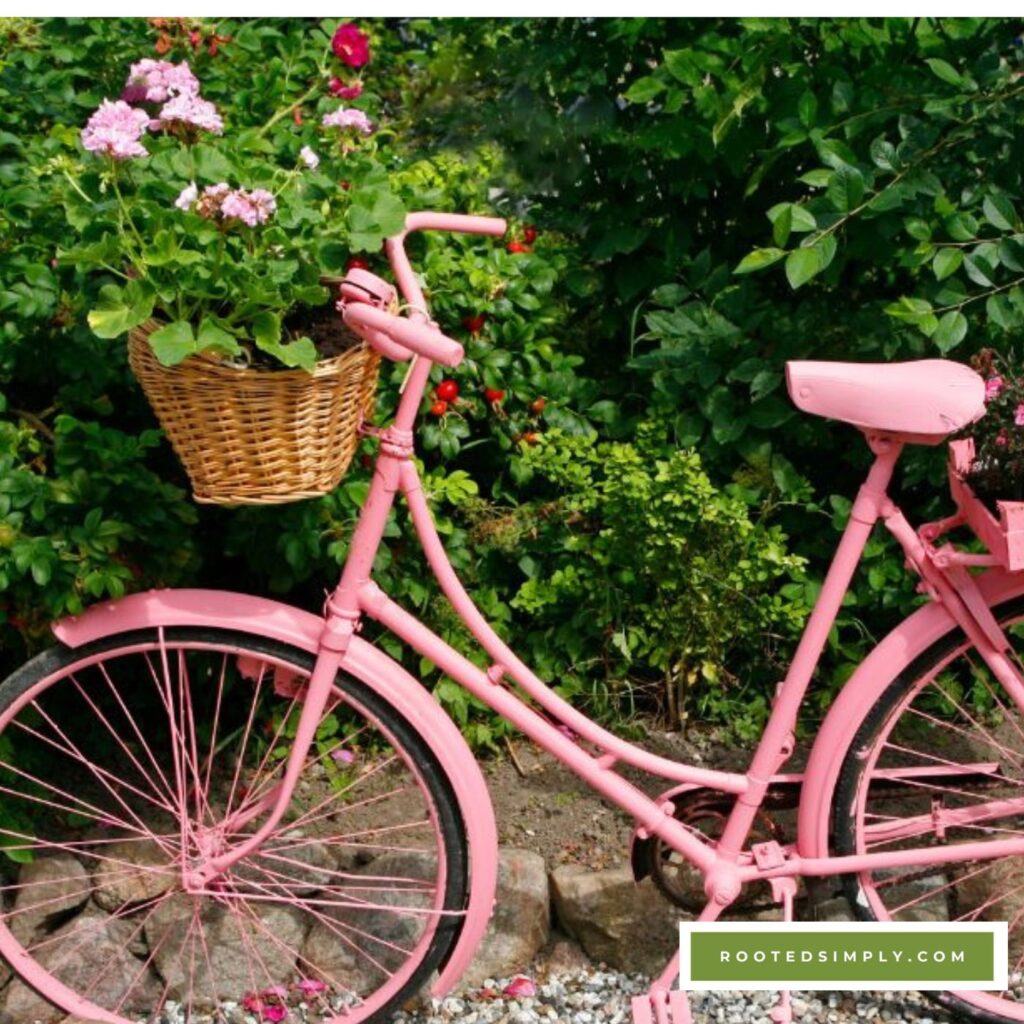
A bicycle leaning against a fence.
A door standing alone in the garden.
A chandelier hanging from a tree.
Focal points draw the eye and create moments of delight.
4. Tell a story
Your garden can become a narrative space.
A collection of watering cans becomes a “watering station.”
A row of mismatched chairs becomes a “garden audience.”
A cluster of teapots becomes a “tea party corner.”
Stories make gardens memorable.
5. Balance whimsy with restraint
Too many objects can overwhelm the plants. Think of found objects as accents, not the main event.
A good rule: For every object you add, make sure the surrounding plants enhance it rather than compete with it.
The Emotional Power of Found Objects
Found objects do more than decorate—they evoke emotion.
Nostalgia when you repurpose something from your childhood.
Joy when you stumble upon something quirky and unexpected.
Comfort when familiar household items appear in new ways.
Wonder when nature and human creativity intertwine.
Gardens are emotional spaces. Found objects deepen that emotional resonance.
Sustainability as Beauty
Using found objects is also an act of stewardship.
You reduce waste.
You honor the materials already in the world.
You model creativity over consumption.
You let beauty emerge from what others discard.
A garden built with found objects becomes a quiet protest against throwaway culture—a living testimony that value is not determined by newness.
Creating Moments of Surprise
The unexpected is most powerful when it’s discovered, not announced. Think about placing objects where they’ll be encountered naturally:
A tiny figurine tucked into a hollow log.
A mirror hidden behind foliage.
A painted stone nestled among herbs.
A birdcage hanging from a branch, filled with trailing ivy.
These small surprises create a sense of enchantment, as if the garden has secrets.
A Garden That Reflects You
Ultimately, bringing the unexpected into the garden with found objects is about expressing who you are.
Your humor. Your memories. Your creativity. Your resourcefulness. Your willingness to see beauty where others don’t.
A garden filled with found objects becomes a self portrait—alive, evolving, and full of stories.
Final Thought
A garden is never finished. Neither is the art of finding, repurposing, and imagining. Keep your eyes open. Keep your heart curious. Let the unexpected find you.
If you want, I can help you brainstorm specific objects you already have, design a themed found object garden area, or create a step-by-step plan for integrating these ideas into your space.
In the comments, share some of your most unique and unexpected garden decor.