
Exploring the Beauty and Diversity of the Psalms
Welcome to our exploration of the Psalms, a collection of poetic songs and prayers that have offered comfort, guidance, and inspiration to believers for centuries. This week, we’ll delve into the beauty and diversity of these timeless scriptures, understanding their significance, authorship, historical background, and the different types of Psalms.
What Are the Psalms?
The Psalms are a collection of 150 poems found in the Old Testament, written to express a wide range of human emotions and experiences. From joyous praise to deep lament, the Psalms capture the breadth of the human condition in relation to God. Their poetic nature allows them to transcend time and culture, providing a relatable and enduring source of spiritual reflection.
Why Are the Psalms Important?
The Psalms are integral to both personal devotion and corporate worship. They offer a way to connect with God on a deeply emotional level, providing words for moments of joy, sorrow, gratitude, and despair. Throughout history, believers have turned to the Psalms for solace, encouragement, and guidance, finding in them a reflection of their own spiritual journeys.
Authorship and Historical Background
The Psalms were penned by various authors over several centuries. Some of the most notable contributors include:
- King David: Often called “the sweet psalmist of Israel,” David is credited with writing many of the Psalms, using them to express his personal relationship with God.
- Sons of Korah: A group of temple musicians who contributed to the collection, often focusing on themes of worship and reverence.
- Asaph: Another temple musician whose Psalms reflect a deep engagement with God and a concern for justice.
- Solomon: Known for his wisdom, Solomon’s contributions to the Psalms include reflections on life and faith.
- Moses, Ethan, and others: Various other figures also contributed, adding to the rich tapestry of voices in the Psalms.
These Psalms were written in diverse contexts—times of joy, sorrow, crisis, and worship—reflecting the varied experiences of the Israelite people. They were used in temple rituals and personal devotions, serving as a vital part of ancient Israelite worship.
Different Types of Psalms
The Psalms can be categorized based on their themes and purposes. Here are the main types:
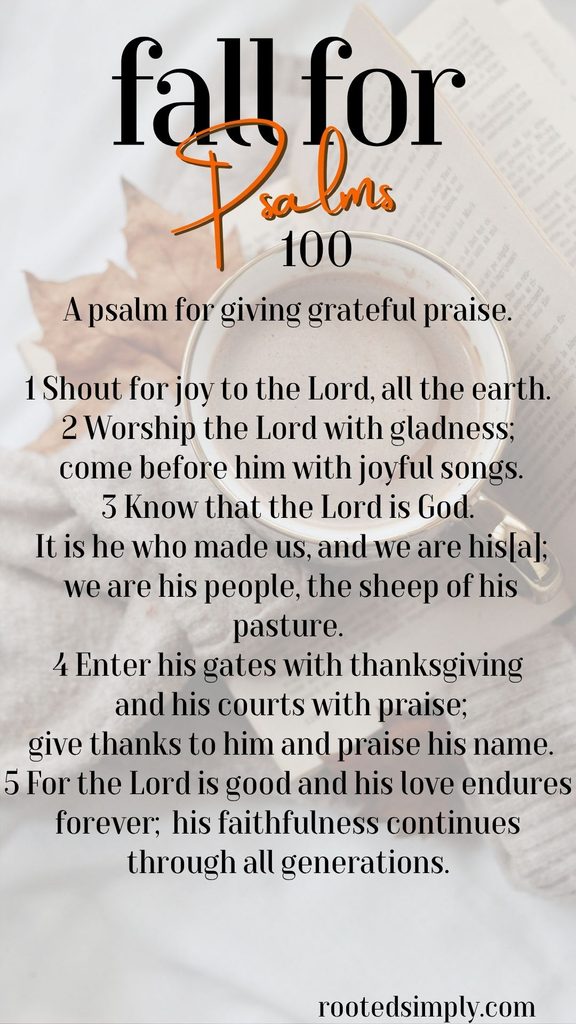
Praise Psalms: These Psalms express adoration and worship for God’s attributes and deeds. They often have a tone of exuberant joy. Examples include Psalm 100 and Psalm 150.
Lament Psalms: These Psalms voice sorrow, distress, and cries for help, seeking God’s deliverance. They are marked by their honest portrayal of pain and suffering. Examples include Psalm 13, Psalm 22, and Psalm 69.
Thanksgiving Psalms: These Psalms offer gratitude and thanksgiving to God for His blessings and provisions. They celebrate God’s faithfulness and generosity. Examples include Psalm 30 and Psalm 100.
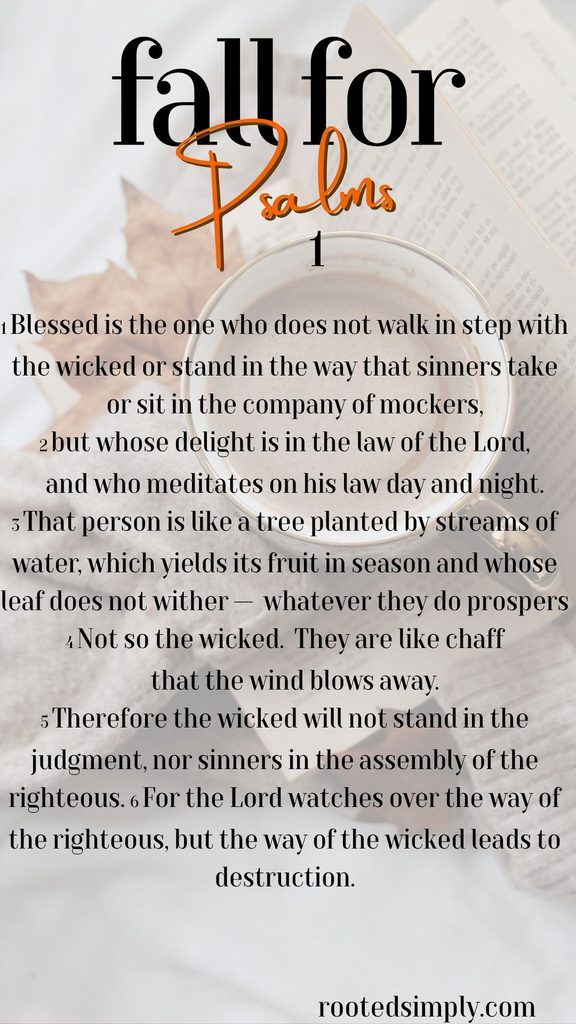
Wisdom Psalms: These Psalms impart wisdom, guidance, and moral teachings for righteous living. They often reflect on the law of the Lord and the pursuit of a godly life. Examples include Psalm 1, Psalm 19, and Psalm 37.
Royal Psalms: These Psalms celebrate the kingship of God and the reign of earthly kings, often used in coronation ceremonies. They highlight God’s sovereignty and His covenant with David. Examples include Psalm 2, Psalm 45, and Psalm 110.

Reflecting on the Psalms Today
As we study the Psalms, consider which types resonate with you personally. Do you find comfort in the Lament Psalms during difficult times, or are you uplifted by the Praise Psalms in moments of joy? The Psalms remain relevant in our modern lives, providing a source of comfort, guidance, and spiritual growth.
In closing, let us thank God for the richness and diversity of the Psalms. May we find wisdom and inspiration as we continue to explore these beautiful scriptures in the coming weeks.
Reflective Questions
How have the Psalms impacted your spiritual journey so far?
Which type of Psalm (praise, lament, thanksgiving, wisdom, etc.) resonates with you the most, and why?
In what ways do you think studying the authorship and historical background of the Psalms enhances your understanding of their message?
How can you incorporate the diversity of Psalms into your personal devotional life?