
Becoming a Lifelong Learner
Introduction
Over the last several weeks, we have explored the foundations of apologetics, examined the evidence for Christianity’s truth claims, and considered how to engage the ideas shaping today’s culture. Perhaps you have discovered new resources, encountered new arguments, or developed a deeper appreciation for the intellectual richness of the Christian faith.
Yet an important question remains:
What happens after this study ends?
For many believers, the completion of a study series marks the end of focused learning. Notes are filed away, books return to shelves, and life moves on. While there is nothing wrong with celebrating the completion of a study, apologetics is never intended to be a four-week project. It is a lifelong pursuit of truth.
The most effective apologists are not necessarily the smartest people in the room. They are often the people who consistently learn, ask questions, study Scripture, listen carefully, and remain teachable over many years.
In 2 Timothy 2:15, Paul encourages Timothy to diligently study and accurately handle God’s truth. This was not a temporary assignment but a lifelong calling. Timothy was to grow continually in his understanding so that he could faithfully serve God and help others.
The same principle applies today.
Apologetics is not merely about collecting information. It is about becoming the kind of disciple who loves God with heart, soul, strength, and mind. As we grow in knowledge, we grow in confidence. As we grow in confidence, we become better equipped to serve, disciple, and evangelize others.
This week focuses on practical tools, habits, and resources that can help believers continue growing long after this series ends. We will explore trusted websites, valuable podcasts, study techniques, and personal growth strategies designed to help you become a lifelong learner.
Why Ongoing Growth Matters
Imagine someone deciding to become physically healthy.
They exercise consistently for four weeks and then stop completely.
While they may experience temporary benefits, long-term growth requires long-term commitment.
The same is true spiritually and intellectually.
Faith grows stronger through continual nourishment.
Questions evolve. Culture changes. New challenges emerge. Opportunities for ministry increase. As believers mature, they encounter situations that require deeper wisdom and understanding.
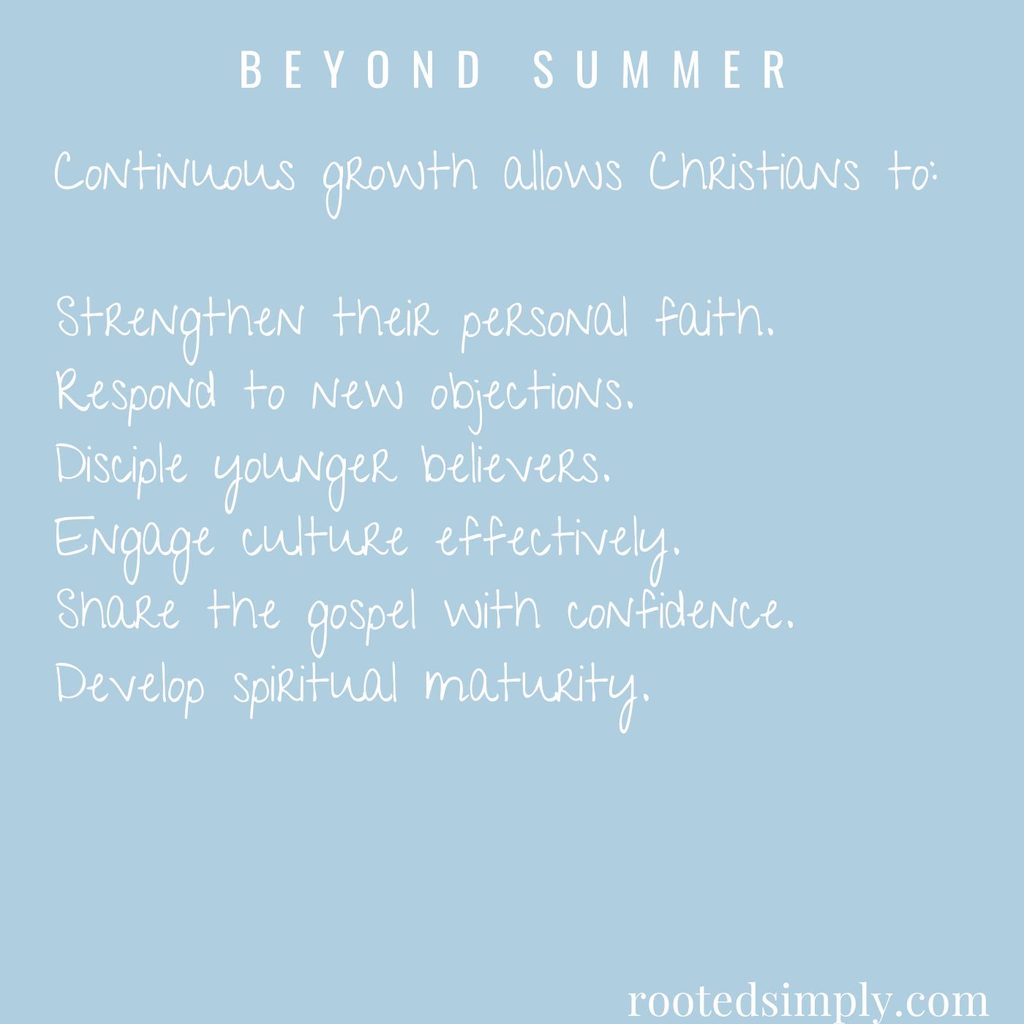
Continuous growth allows Christians to:
- Strengthen their personal faith.
- Respond to new objections.
- Disciple younger believers.
- Engage culture effectively.
- Share the gospel with confidence.
- Develop spiritual maturity.
No believer ever reaches a point where learning is unnecessary.
Even the Apostle Paul, after decades of ministry, continued pursuing a deeper knowledge of Christ.
Lifelong learning is not evidence that we lack faith. Rather, it demonstrates humility and a desire to grow.
Developing a Learner’s Mindset
One of the greatest gifts a Christian can cultivate is curiosity.
Unfortunately, some believers become fearful of difficult questions. Others assume they already know enough and stop learning altogether.
Healthy apologetics encourages neither arrogance nor fear.
Instead, it promotes intellectual humility.
A learner’s mindset recognizes several truths:
Truth Belongs to God
Christians need not fear honest inquiry because all truth ultimately belongs to God.
Questions Are Opportunities
Questions often become pathways to deeper understanding.
Growth Takes Time
Nobody masters apologetics overnight.
Learning Never Ends
Every answer often leads to new questions, deeper insights, and greater appreciation for God’s wisdom.
When believers embrace lifelong learning, apologetics becomes less about having every answer and more about continually pursuing truth.
Featured Website: Stand to Reason
Why It Matters
Stand to Reason, founded by Gregory Koukl, exists to help Christians think clearly about their faith and communicate it effectively.
The ministry emphasizes practical apologetics for everyday believers.
Rather than focusing exclusively on academic discussions, Stand to Reason equips Christians to engage real-life conversations.
What You Will Find
Visitors can access:
- Articles on current issues.
- Short videos.
- Podcasts.
- Training materials.
- Practical conversation strategies.
Many of the resources focus on helping believers navigate difficult questions with confidence and grace.
Best Use
If you desire practical tools for conversations with friends, coworkers, neighbors, or family members, this website offers excellent guidance.
It is particularly helpful for Christians who want to develop both confidence and gentleness in apologetic discussions.
Featured Website: Reasonable Faith
Why It Matters
Reasonable Faith, founded by philosopher and apologist William Lane Craig, provides deeper academic content while remaining accessible to dedicated learners.
This ministry demonstrates that Christian faith and rigorous intellectual inquiry are not enemies.
What You Will Find
Resources include:
- Articles.
- Podcasts.
- Debates.
- Lectures.
- Scholarly discussions.
- Question-and-answer archives.
The site addresses topics such as:
- The existence of God.
- The resurrection.
- Philosophy.
- Theology.
- Science and faith.
Best Use
This resource is ideal for believers ready to move beyond introductory apologetics and explore deeper intellectual challenges.
Those interested in philosophical arguments and theological reasoning will find significant value here.
Featured Website: Cross Examined
Why It Matters
Cross Examined focuses on helping Christians understand and defend their faith in clear, engaging ways.
Led by Frank Turek and others, the ministry addresses common objections raised by skeptics and seekers.
What You Will Find
Resources include:
- Videos.
- Articles.
- Podcasts.
- Conference presentations.
- Question-and-answer sessions.
The content often tackles difficult cultural and apologetic issues with clarity and practicality.
Best Use
Cross Examined is especially useful for Christians who want concise explanations of challenging questions.
Its straightforward style often makes complex topics easier to understand.
Featured Website: Biola Apologetics
Why It Matters
Biola University has become one of the most influential institutions in modern apologetics education.
Its apologetics resources provide both academic depth and practical application.
What You Will Find
Biola offers:
- Articles.
- Online resources.
- Educational videos.
- Faculty lectures.
- Conference materials.
Topics cover a wide range of apologetics disciplines, including philosophy, theology, culture, biblical studies, and evangelism.
Best Use
Biola is an excellent resource for believers seeking scholarly content while remaining grounded in ministry application.
Featured Podcast: Stand to Reason Podcast
Podcasts provide one of the easiest ways to continue learning.
Whether driving to work, exercising, gardening, or completing daily tasks, believers can regularly engage apologetics content.
The Stand to Reason Podcast provides:
- Practical apologetics insights.
- Cultural analysis.
- Listener questions.
- Conversation strategies.
Its conversational format makes learning approachable and accessible.
Featured Podcast: Reasonable Faith Podcast
The Reasonable Faith Podcast explores:
- Philosophical issues.
- Arguments for God’s existence.
- Evidence for Christianity.
- Contemporary objections to faith.
Listeners benefit from hearing thoughtful discussions that model careful reasoning and respectful engagement.
Featured Podcast: Unbelievable?
One of the most unique apologetics podcasts available, Unbelievable? brings together Christians and non-Christians for respectful dialogue.
Rather than presenting only one perspective, listeners hear competing viewpoints discussed thoughtfully and courteously.
This format teaches valuable lessons about listening well and engaging differences respectfully.
Featured Podcast: Ask NT Wright Anything
New Testament scholar N.T. Wright answers questions submitted by listeners on a wide range of biblical and theological topics.
Discussions often include:
- Scripture interpretation.
- Historical Christianity.
- Christian living.
- Theology.
- Cultural engagement.
The podcast helps believers connect apologetics with biblical understanding and discipleship.
Practical Study Tool: The Apologetics Notebook
One of the simplest growth tools is also one of the most effective.
An apologetics notebook becomes a personal learning archive.
What to Include
Create sections for:
Questions
Record difficult questions you encounter.
Key Arguments
Summarize major apologetic arguments.
Book Notes
Record insights from reading.
Scripture References
Collect important passages related to apologetics.
Conversation Reflections
Document lessons learned from discussions with others.
Why It Works
Writing strengthens understanding.
Instead of passively consuming information, you actively engage with ideas and organize your thoughts.
Over time, your notebook becomes a valuable ministry resource.
Practical Study Tool: A Reading Plan
Many Christians want to read apologetics books but struggle with consistency.
A simple reading plan can make a significant difference.
Start Small
Rather than trying to read multiple books simultaneously, focus on one resource at a time.
Even ten pages per day can lead to substantial growth.
Create Realistic Goals
Set achievable targets.
For example:
- Ten pages daily.
- One chapter weekly.
- One book per month.
Consistency matters far more than speed.
Alternate Topics
Rotating subjects helps maintain balance.
You might read:
- One apologetics book.
- One theology book.
- One Christian biography.
- One devotional resource.
This approach promotes both intellectual and spiritual growth.
Practical Study Tool: Faith Mapping
Faith mapping is particularly valuable because it connects major beliefs into a visual framework.
Instead of viewing apologetics topics in isolation, faith mapping helps believers see how ideas connect.
Examples of Connections
The existence of God connects to:
- Creation.
- Morality.
- Human dignity.
The resurrection connects to:
- The reliability of Scripture.
- The identity of Jesus.
- The hope of eternal life.
Why Faith Mapping Helps
Many people remember information more effectively when they can visualize relationships between ideas.
Faith maps help organize thoughts and make conversations easier to navigate.
As someone who has already invested in creating faith maps as a discipleship tool, you may have seen firsthand how visual connections help learners grasp complex concepts more clearly.
For the a deep dive into Mapping Your Faith, you can find it here.
Practical Study Tool: Scripture Journaling
Apologetics should always remain connected to Scripture.
Without a biblical foundation, apologetics can become merely academic.
Journaling Suggestions
When reading Scripture:
Ask:
- What does this passage reveal about God?
- What questions might this passage answer?
- What objections might someone raise?
- How does this text strengthen faith?
Record observations and insights regularly.
Benefits
Scripture journaling:
- Deepens Bible engagement.
- Strengthens retention.
- Encourages reflection.
- Connects apologetics with discipleship.
The goal is not merely defending Scripture but knowing the God who gave it.
Practical Study Tool: Discussion Groups
Learning rarely happens in isolation.
Some of our greatest growth occurs in community.
Benefits of Discussion Groups
Conversations expose us to:
- New perspectives.
- Different questions.
- Shared wisdom.
- Practical application.
Discussion groups also help believers practice articulating their beliefs.
Possible Formats
Consider:
- Monthly apologetics book clubs.
- Church-based discussion groups.
- Small-group studies.
- Online learning communities.
Group learning helps transform information into understanding.
Habits That Encourage Lifelong Growth
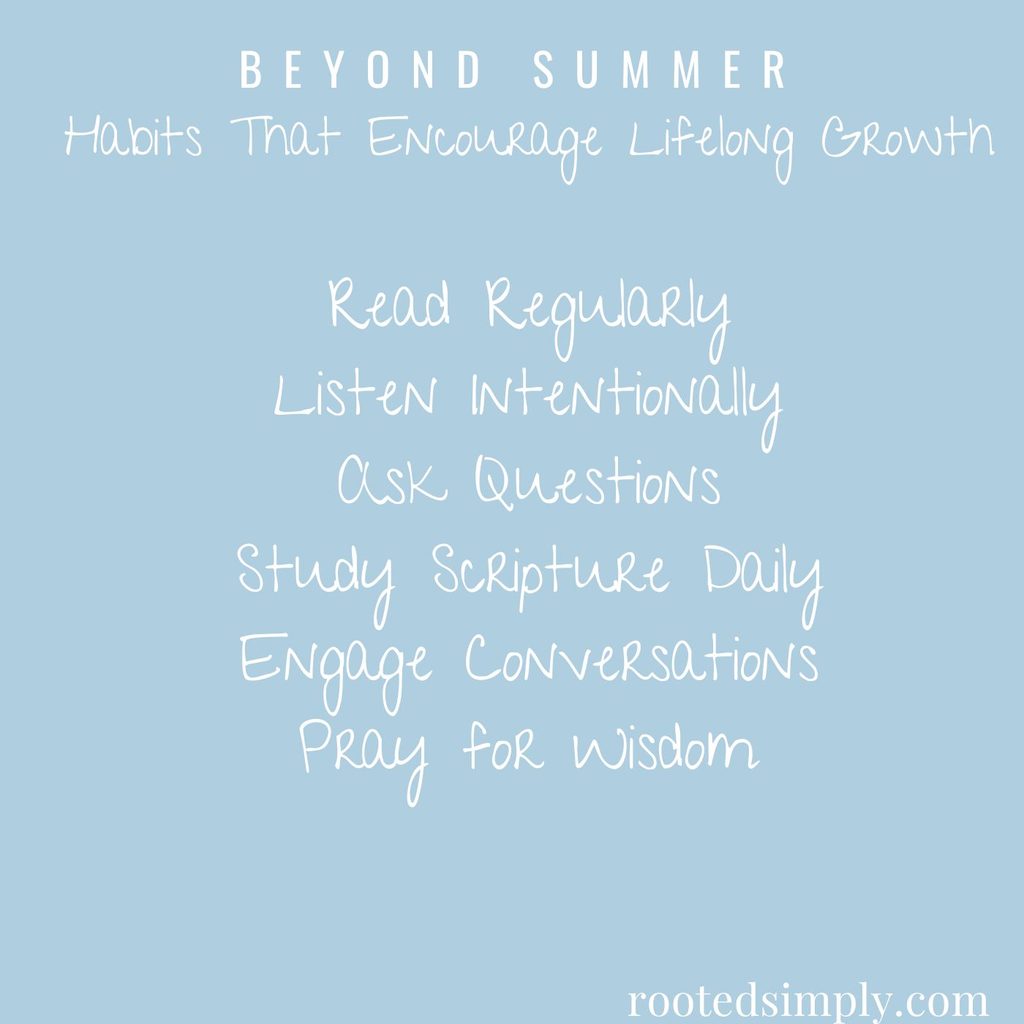
Knowledge grows through consistent habits.
The following practices often distinguish lifelong learners from occasional learners.
Read Regularly
Even small amounts of reading accumulate over time.
Listen Intentionally
Use podcasts, lectures, and discussions to continue learning.
Ask Questions
Curiosity drives growth.
Study Scripture Daily
God’s Word remains the foundation.
Engage Conversations
Practice discussing faith respectfully.
Pray for Wisdom
Knowledge alone is insufficient.
We need God’s guidance to apply truth with humility and love.
How Apologetics Strengthens Discipleship
Apologetics is not separate from discipleship.
It is an important part of discipleship.
Stronger Faith
Understanding reasons for belief increases confidence.
Greater Spiritual Maturity
Apologetics encourages thoughtful engagement with Scripture and theology.
Increased Biblical Literacy
Study naturally leads believers deeper into God’s Word.
Better Ministry Preparation
Believers become better equipped to teach and mentor others.
When apologetics serves discipleship, knowledge becomes transformation.
How Apologetics Strengthens Evangelism
Many people view apologetics and evangelism as separate ministries.
In reality, they often work together.
Apologetics Removes Obstacles
Thoughtful answers can help address barriers preventing people from considering the gospel.
Apologetics Builds Credibility
Clear reasoning demonstrates that Christian faith is intellectually serious.
Apologetics Creates Conversations
Questions often open doors for meaningful dialogue.
Apologetics Points to Christ
Ultimately, every apologetic conversation should lead toward the person and work of Jesus.
Our goal is not merely answering questions but introducing people to the Savior.
Discussion Questions
What Habits Help Us Continue Growing?
Reflect on your own spiritual journey.
Which habits have helped you grow most effectively?
- Reading?
- Journaling?
- Discussion groups?
- Podcasts?
- Prayer?
What habits might you add moving forward?
How Can Apologetics Strengthen Discipleship and Evangelism?
Consider ways apologetics:
- Builds confidence.
- Encourages deeper study.
- Helps answer questions.
- Supports gospel conversations.
- Strengthens personal faith.
How might apologetics become a more intentional part of your ministry and daily life?
Practical Challenge
Create a Personal Six-Month Apologetics Growth Plan
This week’s challenge encourages intentional growth.
Design a simple six-month plan including:
One Book
Choose a resource you want to complete.
Examples:
- Mere Christianity
- The Reason for God
- Tactics
- Cold-Case Christianity
One Podcast
Select one apologetics podcast to follow consistently.
One Website
Choose a trusted ministry resource for ongoing learning.
One Area of Study
Focus on a specific topic such as:
- The resurrection.
- Biblical reliability.
- The existence of God.
- Cultural apologetics.
- World religions.
- Science and faith.
Monthly Goals
Set realistic objectives for each month.
Small, consistent steps often produce greater results than ambitious but unsustainable plans.
Series Conclusion
Big Idea
The purpose of apologetics is to know Christ more deeply, strengthen our faith, remove obstacles to belief, and help others see that the gospel is both true and transformative.
Throughout this series, we have explored where to begin, examined evidence for Christianity’s truth claims, considered how to engage today’s culture, and developed practical strategies for lifelong growth. Along the way, we have discovered that apologetics is not reserved for scholars, pastors, or professional speakers. It is a ministry available to every believer who desires to love God with both heart and mind.
The Christian faith invites investigation because it is rooted in truth. It welcomes questions because truth withstands examination. It encourages learning because wisdom glorifies God. And it inspires confidence because our faith rests not on wishful thinking but on the person of Jesus Christ.
As you conclude this study, remember that the end of a series is not the end of the journey. In many ways, it is only the beginning.
Continue reading. Continue asking questions. Continue studying Scripture. Continue engaging culture thoughtfully. Continue seeking opportunities to serve others through your growing understanding of God’s truth.
Most importantly, continue pursuing Christ.
My prayer is that these books, podcasts, websites, study tools, and habits become instruments God uses to deepen your faith and expand your ministry. May He grow in you greater wisdom, stronger conviction, deeper compassion, and increasing confidence as you seek to make a defense for the hope that is within you with gentleness and respect.
May your apologetics journey ultimately lead to what matters most: a deeper knowledge of Christ, a stronger love for His Word, and a greater passion for helping others discover the life-changing truth of the gospel.