
Embarking on a gardening journey is an exciting endeavor, and selecting the right seeds is the first step towards a thriving garden. With a plethora of options available, choosing the perfect seeds may seem overwhelming. However, with a bit of knowledge and careful consideration, you can set the foundation for a successful and bountiful garden. In this guide, we’ll explore the essential factors to consider when selecting seeds for your garden.
Climate and Location: The first and foremost factor to consider is your climate and location. Different plants thrive in different environments, so it’s crucial to choose seeds that are well-suited to your specific climate zone. Determine your USDA Hardiness Zone and select seeds that are recommended for your region. This ensures that your plants will have the right conditions to grow and flourish.
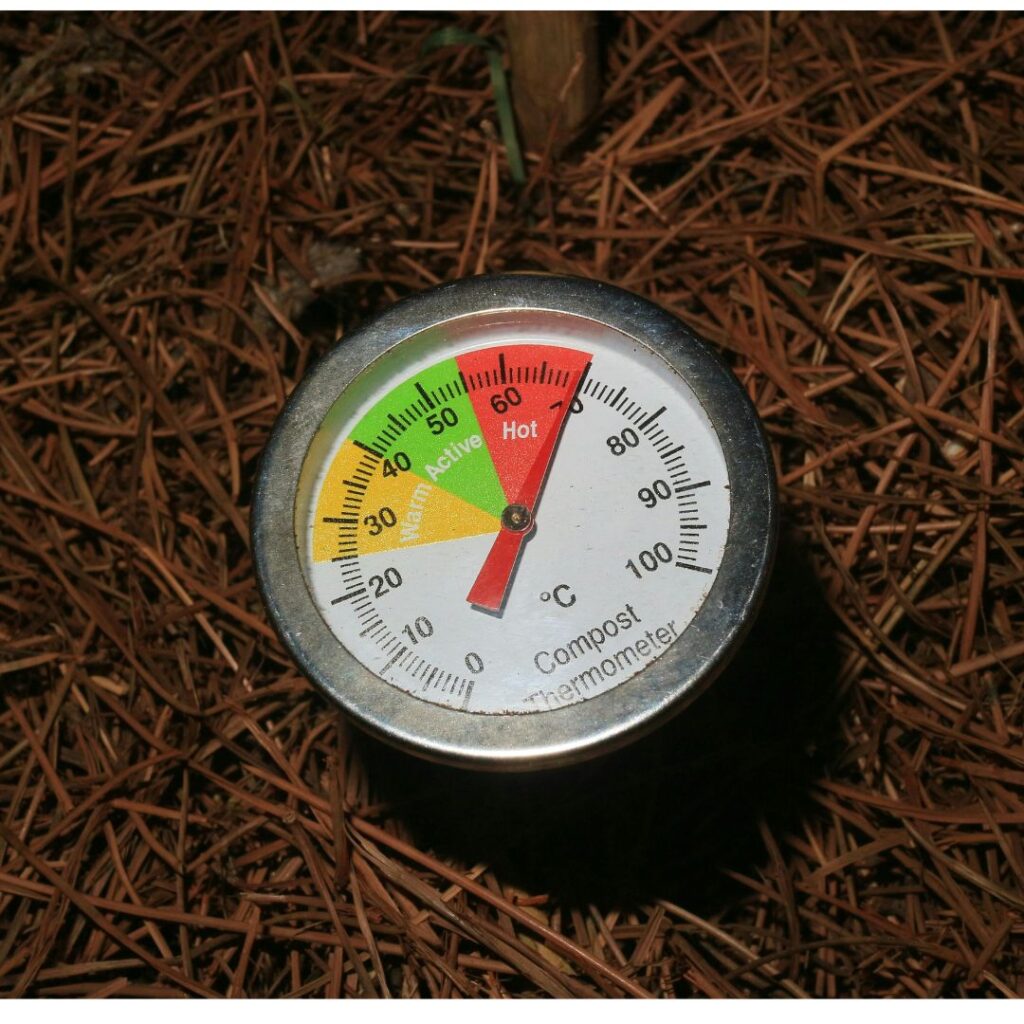
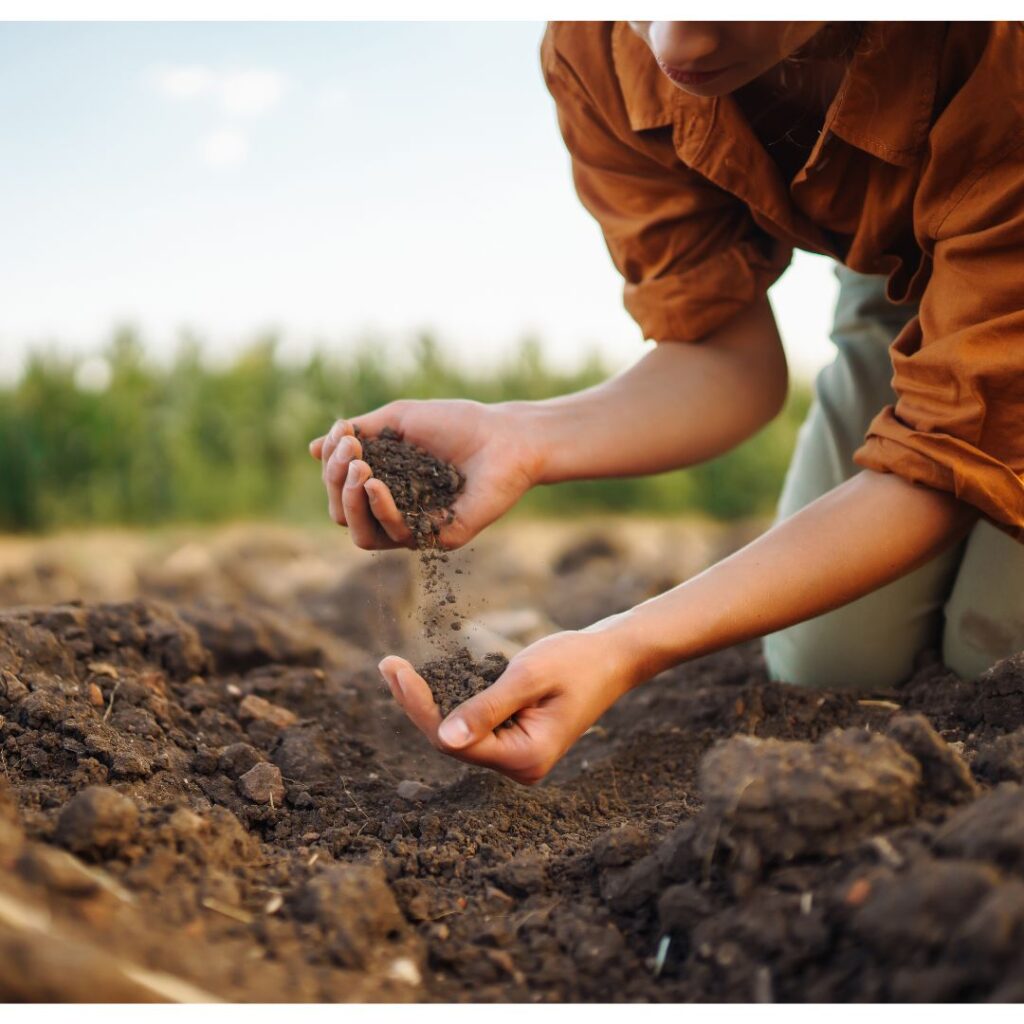
Soil Quality: Understanding your soil is key to successful gardening. Conduct a soil test to determine its pH, texture, and nutrient levels. Different plants have specific soil requirements, so choose seeds that are compatible with your soil type. Some plants prefer well-draining soil, while others thrive in more moisture-retentive conditions. Matching your seeds to your soil will set the stage for healthy plant growth.
Space and Garden Layout: Assess the available space in your garden and plan your layout accordingly. Some plants, like sprawling pumpkins or vining tomatoes, require ample space, while others, like compact herbs or dwarf varieties, can thrive in smaller areas. Consider companion planting to maximize space and encourage beneficial interactions between different plant species.
Growing Conditions: Take note of the specific growing conditions your chosen plants require. Some plants need full sunlight, while others thrive in partial shade. Consider factors like water requirements, as overwatering or underwatering can impact plant health. Understanding the needs of your chosen seeds will help you create an environment where they can thrive.
Time and Season: Different plants have varying growth cycles and seasonal preferences. Determine whether you want to grow annuals, perennials, or biennials. Pay attention to the growing season in your region and choose seeds that align with it. Planning for staggered planting can also ensure a continuous harvest throughout the growing season.
Disease Resistance and Pests: Select seeds that are known for their resistance to common diseases and pests in your area. This can save you time and effort in pest management and increase the chances of a successful harvest. Look for seeds labeled as disease-resistant or inquire with local experts for recommendations.
Variety and Diversity: Embrace variety and diversity in your garden by selecting a mix of plants. This not only enhances the aesthetic appeal of your garden but also promotes ecological balance. Choose a combination of vegetables, fruits, herbs, and flowers to create a harmonious and vibrant garden space.
Part II
Seeds are the heart of every garden, holding the promise of vibrant blooms and bountiful harvests. Whether you’re a seasoned gardener or just starting, understanding where to buy quality seeds, how to organize and store them, and their lifespan can make all the difference.
Best Places to Purchase Seeds
When it comes to buying seeds, quality and variety are key. Here are some top places to find reliable vegetable and flower seeds:
My favorite online seed companies are:
Baker Creek Heirloom Seeds is known for rare and heirloom varieties.
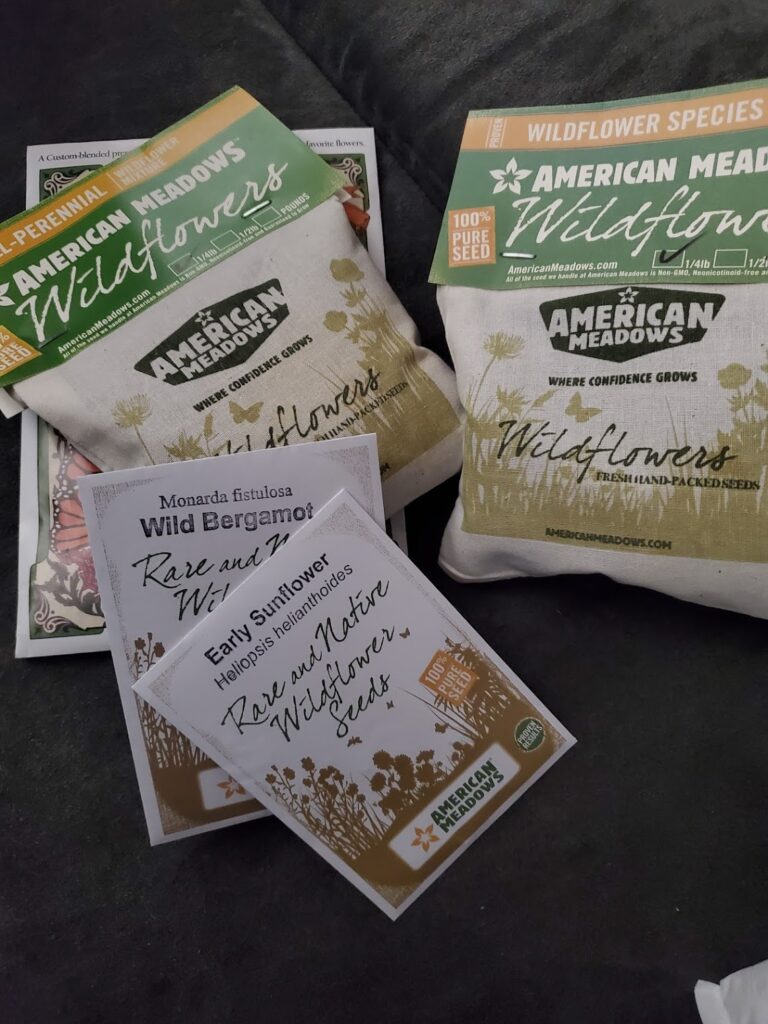
American Meadows is the destination for anyone looking to cultivate a sustainable, meadow-inspired landscape.
Gurneys has provided customers with seeds and nursery products for over 130 years.
Local Garden Centers:
Local stores often carry seeds suited to your specific growing region, ensuring better success rates.
Farmers’ Markets:
Look for local farmers or hobbyists selling seeds from plants that thrive in your area.
Seed Swaps:
Community events or online platforms where gardeners trade seeds, perfect for unique or rare varieties.
Organizing Your Seeds
A little organization goes a long way in keeping your seeds accessible and ready for planting.
Sorting:
Divide seeds into categories: vegetables, flowers, herbs, and perennials vs. annuals.
Further organize by planting season or light requirements.
Storage Solutions:
Use photo storage boxes, small plastic containers, or file organizers to group seed packets.
Label each section clearly for easy access.
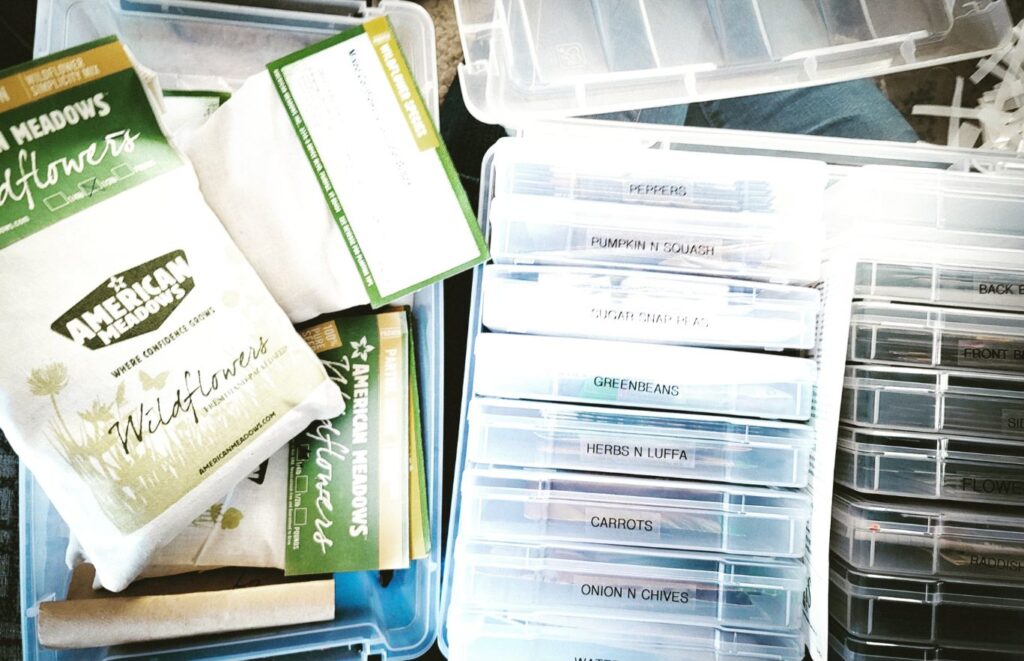
Digital Inventory:
Consider using gardening apps or spreadsheets to track what you have and when you need to plant.
Storing Seeds Properly
Proper storage ensures your seeds remain viable for as long as possible.
Cool, Dry, and Dark: Store seeds in a location with consistent cool temperatures, such as a basement, pantry, or even a refrigerator.
Containers: Use airtight containers to protect seeds from moisture. Mason jars, resealable bags, or metal tins work well.
Silica Gel Packs: Adding silica gel packs to your storage containers can help absorb moisture and keep seeds dry.
Avoid Freezing: While freezing is fine for long-term storage, sudden temperature changes can damage seeds.
Understanding Seed Lifespan
Not all seeds are created equal when it comes to longevity. Knowing the average lifespan of seeds helps you decide whether to plant, store, or replace them. Vegetable Seeds Lifespan:
Marigold: 2-3 years
Zinnia: 4-5 years
Poppy: 3-4 years
Sunflower: 1-2 years
Tips to Test Viability:
Moisten a paper towel and place a few seeds on it.
Fold the towel, seal it in a plastic bag, and place it in a warm spot.
Check after a week to see if the seeds sprouted; this gives you a sense of viability.
Seeds hold the magic of transformation—tiny kernels that grow into lush plants, vibrant flowers, and nutritious food. By purchasing high-quality seeds, organizing them thoughtfully, storing them properly, and understanding their lifespan, you set your garden up for success. Choosing the right seeds for your garden is a thoughtful process that involves considering factors such as climate, soil, space, growing conditions, time, disease resistance, and variety. By taking the time to understand the unique needs of each plant, you set the stage for a flourishing garden that will reward you with a bounty of fresh, homegrown produce. Happy gardening!
What’s your favorite source for seeds, and do you have any tried-and-true storage tips? Share your thoughts in the comments below!