

A LONELY GENERATION AND A MISUNDERSTOOD CHURCH
We live in the most connected and yet the most isolated generation in history. People have hundreds of online “friends” but few real relationships. They have endless content but little community. They have opinions about church but little experience with biblical fellowship.
And one of the most common statements you’ll hear today is:
“I don’t need church to be a Christian.”
This sentiment is understandable—many people have been hurt by churches, disappointed by leaders, or disillusioned by hypocrisy. But while the pain is real, the conclusion is not biblical.
Christianity is not a solo faith. The church is not optional. Community is not a suggestion. It is a command, a calling, and a gift.
This week, we explore why the church matters, why God designed us for community, and how to respond with grace and clarity when someone says they don’t need the church.
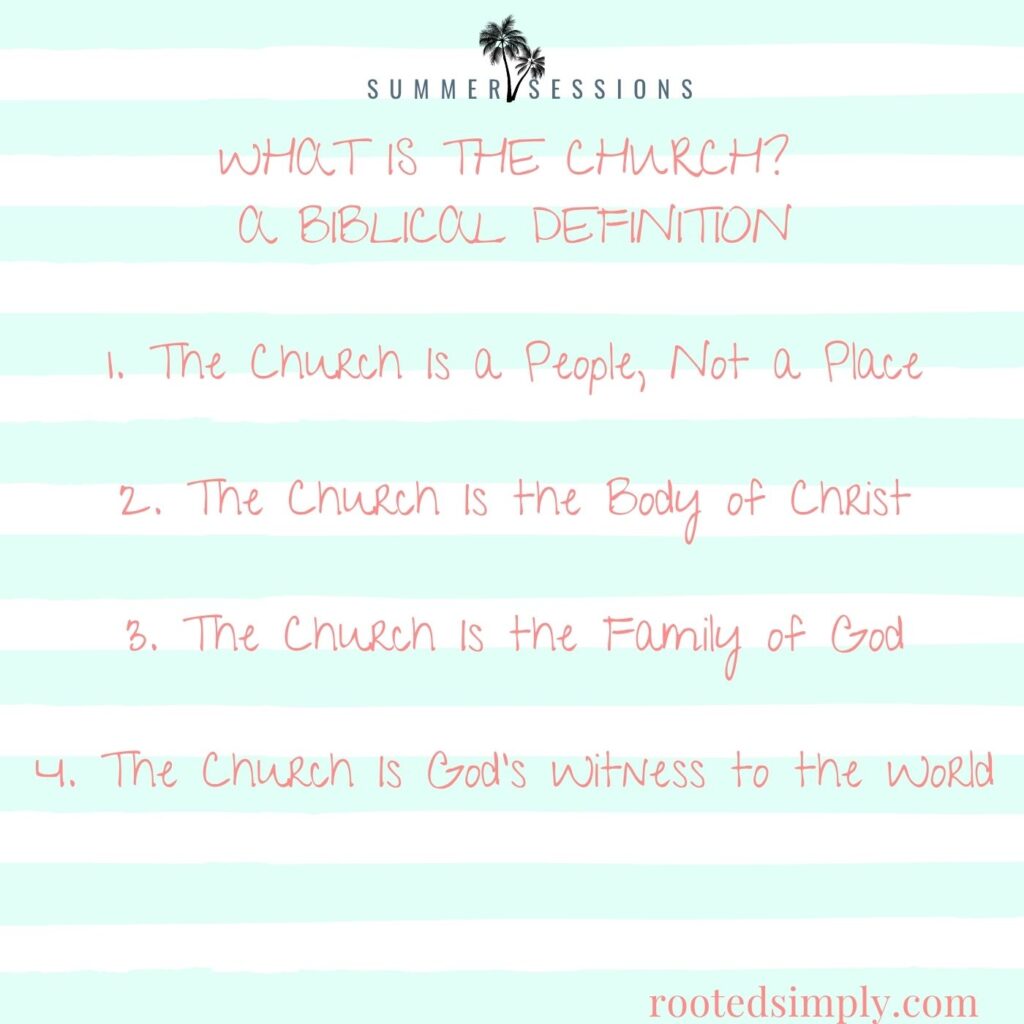
WHAT IS THE CHURCH? A BIBLICAL DEFINITION
The church, in Scripture, is first and foremost a people, not a place. The Greek word ekklesia refers to the called-out, gathered community of believers—those redeemed by God and joined together in Christ. It is never defined as a building, a brand, a livestream, or a program. Instead, it is a living community formed by God’s saving work. Scripture also describes the church as the Body of Christ, with Jesus as the head and believers as interconnected members. Every part matters, every part contributes, and every part depends on the others. A Christian separated from the church becomes like a hand without a body or a branch without a vine—disconnected from the very life that sustains them.
The church is also the Family of God, made up of brothers and sisters adopted through Christ and welcomed into God’s household. Family can be messy, but it is essential to God’s design for spiritual growth and belonging. Finally, the church serves as God’s witness to the world, the visible demonstration of His kingdom. Jesus taught that the world would recognize His disciples by their love for one another, making the church a living testimony of God’s character and transforming grace.
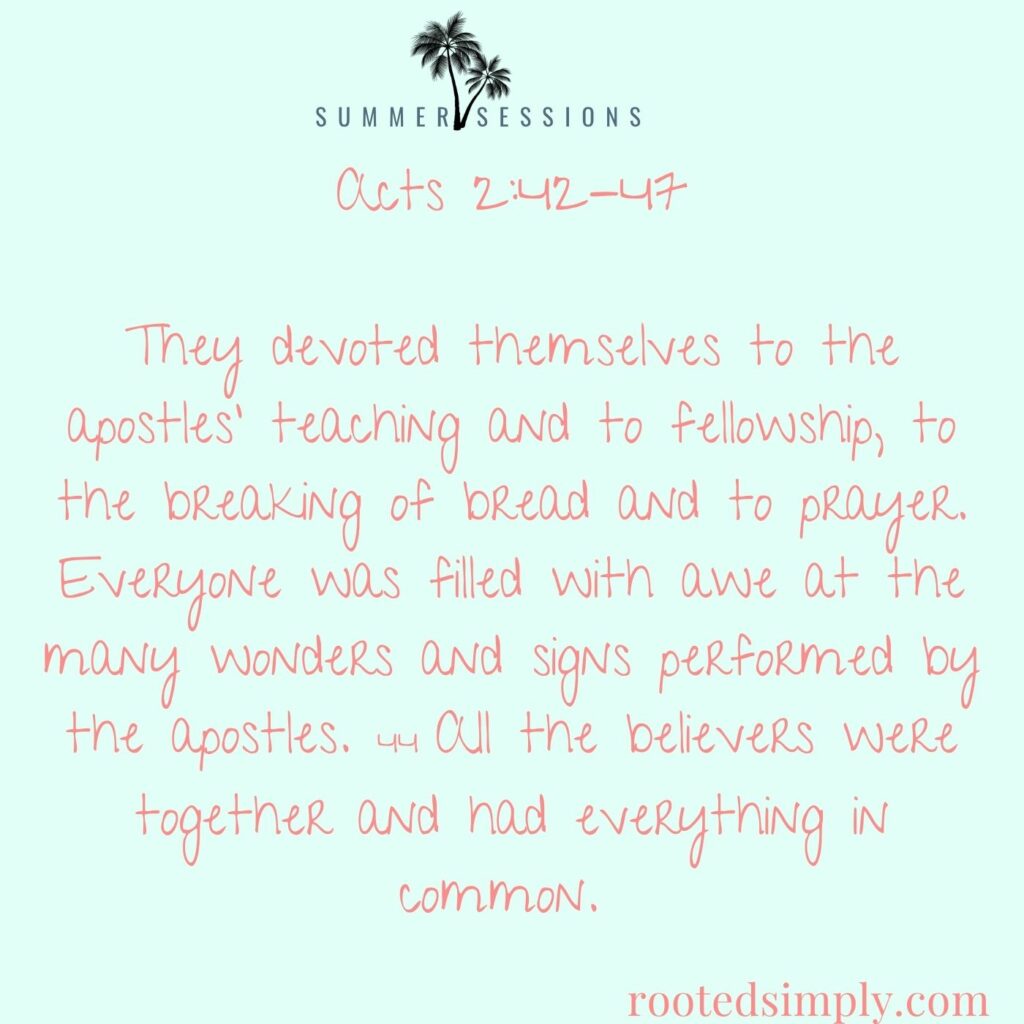

ACTS 2:42–47: THE FIRST CHURCH AND ITS BEAUTY
Acts 2:42–47 gives us a breathtaking picture of the very first church—a community marked by devotion, unity, and shared life. They devoted themselves to the apostles’ teaching, showing that the church is a learning community shaped by Scripture and grounded in truth. Their commitment to learning was not academic but relational and transformational; they gathered to hear, to grow, and to obey. They also devoted themselves to fellowship, demonstrating that the church is a relational community where believers share life, burdens, joys, and spiritual growth. Fellowship was not a social event—it was a covenantal bond formed by the Spirit.
They broke bread together, both in ordinary meals and in the Lord’s Supper, revealing that the church is a worshiping community centered on remembering Christ and celebrating His presence among them. They prayed together, showing that the church is a praying community that depends on God for guidance, strength, and unity. Their shared life extended to their possessions; they gave freely and sacrificially, proving that the church is a generous community where needs are met through Spirit led compassion.
Acts also shows that they met both in homes and in the temple courts, revealing that the church is both large and small—a gathered assembly and an intimate family. They praised God with glad and sincere hearts, embodying a joyful community whose worship overflowed into everyday life. And as they lived this shared life, the Lord added to their number daily, showing that the church is a missional community whose witness naturally draws people to Christ.
This picture is not a consumer experience. It is a Spirit-formed, Christ-centered, life-sharing community—beautiful, compelling, and alive.
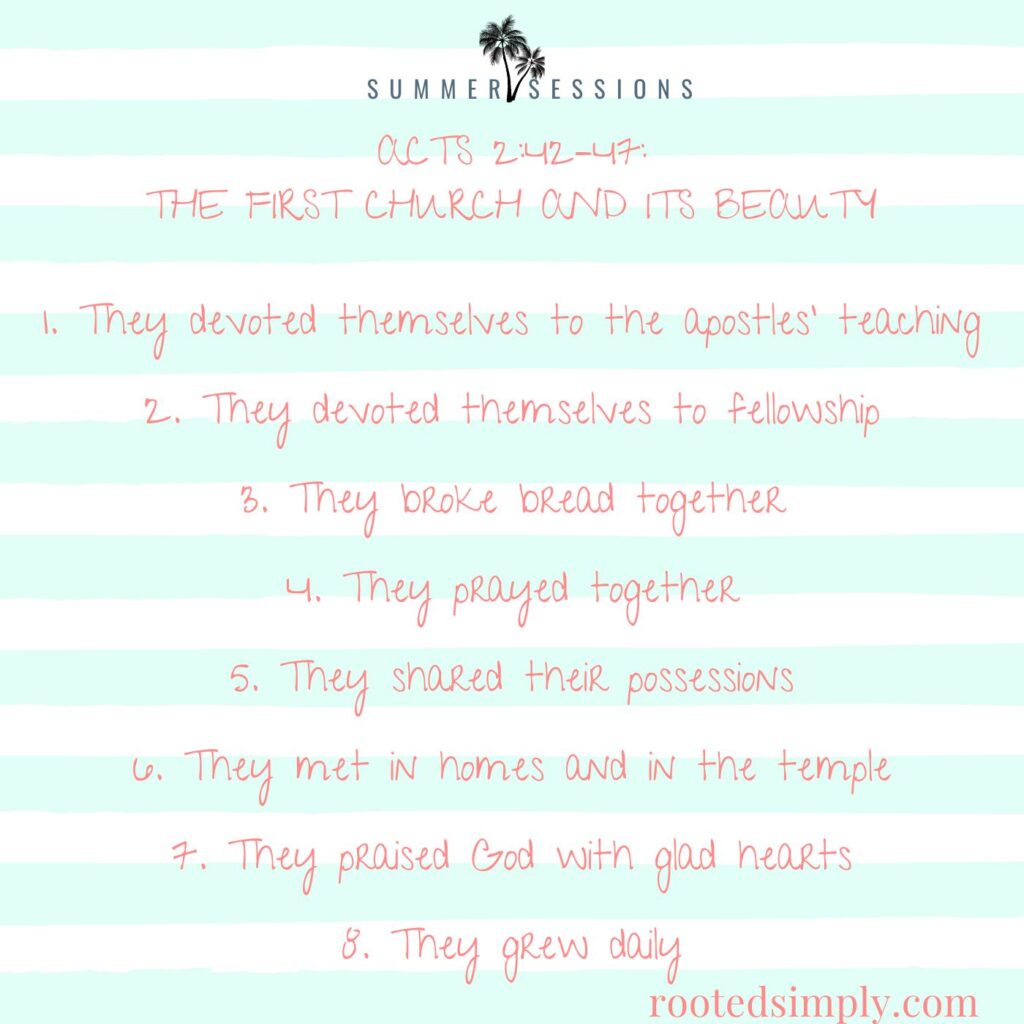
EPHESIANS 4: THE CHURCH AS A MATURING BODY
Ephesians 4 offers a rich and compelling vision of the church as a maturing body, showing why Christian growth cannot happen in isolation. Paul teaches that God has given apostles, prophets, evangelists, pastors, and teachers to equip the saints for the work of ministry, revealing that the church is a learning community where believers are shaped, trained, and strengthened. No Christian can be fully equipped alone; God designed His people to grow through shared instruction and spiritual leadership.
Paul also emphasizes that the church builds unity, a virtue that does not appear automatically but must be cultivated through forgiveness, reconciliation, submission, love, and shared growth. This makes the church a relational community where believers learn to live out the gospel with one another. In addition, the church protects believers from false teaching, keeping them from being “tossed to and fro by every wind of doctrine.” Isolation makes a person spiritually vulnerable, but community keeps them grounded in truth, making the church a protective community rooted in sound doctrine.
Finally, Ephesians 4 shows that the church helps believers grow into Christlikeness through teaching, correction, encouragement, and accountability. Spiritual maturity is not a solo endeavor but a community project shaped by shared life and mutual sharpening. In this way, the church becomes the environment where Christ forms His people, building them up into His likeness as they grow together in love.
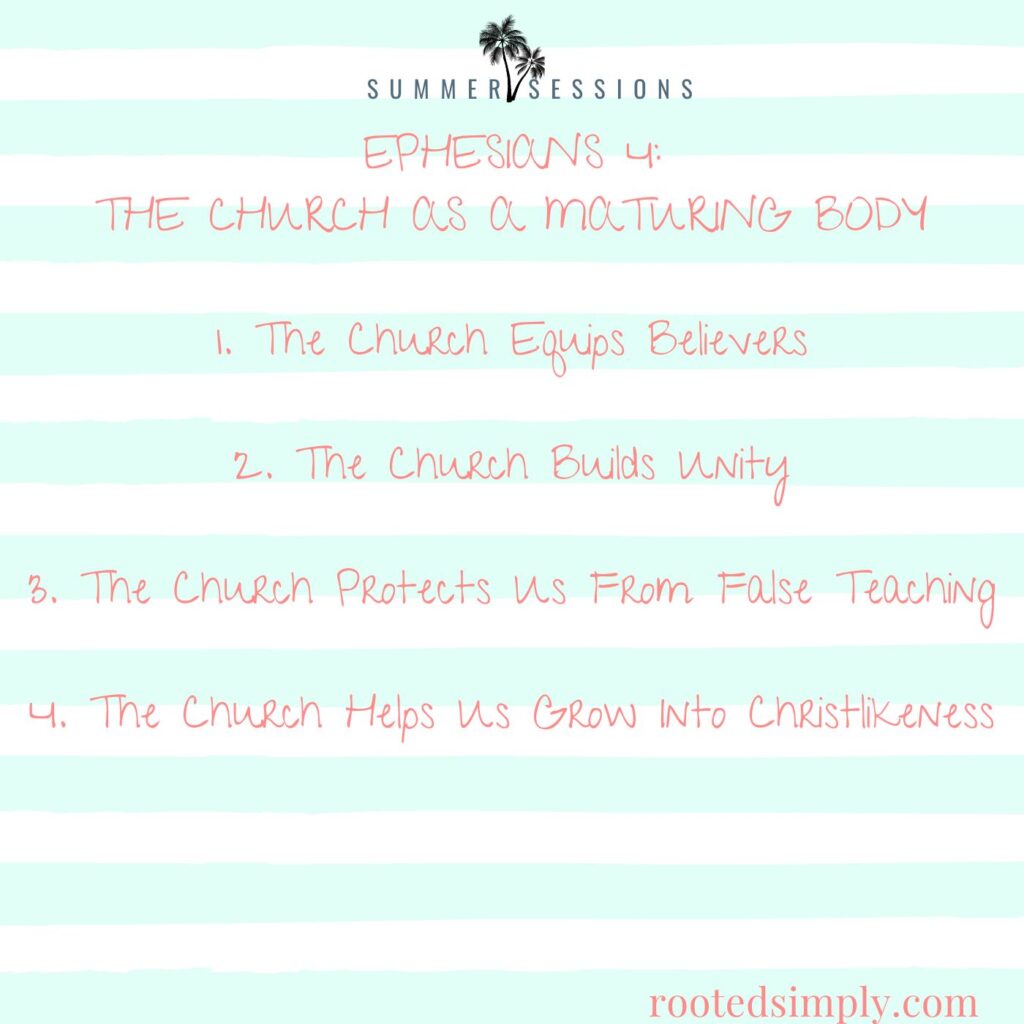
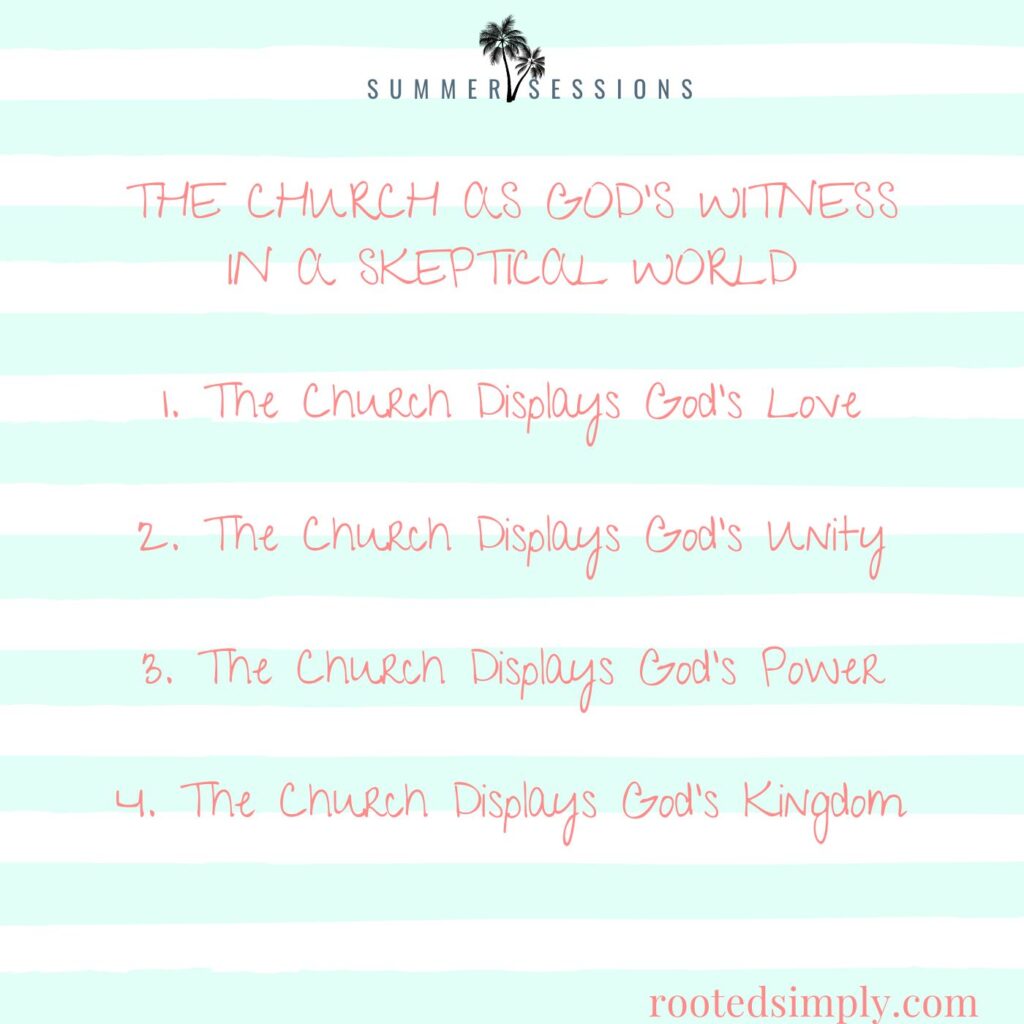
The Church As God’s Witness In a Skeptical World
The world may be skeptical of Christianity, but it is deeply hungry for a community that is real, sacrificial, and rooted in love. Jesus taught that the world would recognize His disciples not by arguments, buildings, programs, or politics, but by the way believers love one another. This makes the church a display of God’s love—a living testimony that the gospel produces a people who care, serve, and lay down their lives for each other. When the church loves well, it reveals something the world cannot manufacture.
The church also displays God’s unity. In the early church, Jews and Gentiles, rich and poor, men and women, slaves and free were united in Christ. Such unity in diversity is supernatural, and it becomes a powerful witness to a divided world. Beyond unity, the church displays God’s power. When believers forgive, serve, sacrifice, pray, worship, and persevere together, the world sees a strength and beauty it cannot explain—evidence of God at work among His people.
Finally, the church displays God’s kingdom. It is a preview of the new creation, a community where justice is pursued, mercy is practiced, truth is upheld, and grace is extended. In this way, the church becomes a living foretaste of what God is restoring in the world. The church is God’s plan A—and there is no plan B.
SPIRITUAL GIFTS: WHY YOU NEED THE CHURCH AND WHY THE CHURCH NEEDS YOU
Every believer has been entrusted with spiritual gifts, but Scripture is clear that these gifts are never meant for private use—they are given for the good of the body. You cannot fully exercise your gifts in isolation. You cannot teach yourself, encourage yourself, shepherd yourself, serve yourself, prophesy to yourself, or show hospitality to yourself. Every gift assumes the presence of others. God designed spiritual gifts to operate in community, where they bless, strengthen, and build up the people around you.
At the same time, the church cannot function as God intended without your gifts. Paul teaches that “the body grows as each part does its work,” meaning the whole church suffers when even one member withholds what God has given. If you do not bring your gifts to the body, the body becomes weaker, the mission is hindered, and the community becomes incomplete. Your gifts are not optional accessories—they are essential contributions to the life and health of the church.
Spiritual gifts are given for building up, not for ego, platform, or performance. They exist to strengthen, equip, comfort, and mature the people of God. When gifts are used humbly and sacrificially, the church becomes a place where believers grow in depth, resilience, and Christlikeness. And these gifts flourish best in community. They grow through practice, feedback, mentorship, and accountability—things you cannot cultivate alone. Gifts sharpen and expand when exercised among others, making community the environment where God grows what He has placed within you.
WHY PEOPLE SAY “I DON’T NEED CHURCH”
Hurt
Many people have been wounded by: hypocrisy, abuse, legalism, betrayal, spiritual manipulation…Their pain is real.
Disillusionment
Some have seen: scandals, corruption, politics, division…They feel disappointed.
Individualism
Our culture teaches:
“I can do it myself.”
“I don’t need anyone.”
“My faith is private.”
This mindset is unbiblical.
Misunderstanding
Some think church is: a building, a service, a performance; they don’t understand the biblical vision.
Convenience
Online options make physical gathering seem unnecessary.
Pride
Some believe:
“I’m fine on my own.”
“I don’t need accountability.”
These are dangerous. Understanding the reasons helps us respond with compassion.
HOW TO ANSWER “I DON’T NEED CHURCH TO BE A CHRISTIAN”
Here is a gracious, biblical response.
“You’re right—church attendance doesn’t save you.”
Salvation is by grace through faith.
But…
“You cannot follow Jesus without following His commands.”
Jesus commands: baptism, communion, fellowship, service, unity, accountability…
All require community.
“You cannot obey the ‘one another’ commands alone.”
Scripture commands:
love one another
forgive one another
encourage one another
bear one another’s burdens
confess sins to one another
submit to one another
You cannot “one another” yourself.
“You cannot grow spiritually in isolation.”
Lone Christians are: vulnerable, unaccountable, unchallenged, unfruitful
“Jesus died for the church.”
Ephesians 5 says: “Christ loved the church and gave Himself up for her.”
If Jesus loves the church, we must too.
“The church needs you—and you need the church.”
Your gifts matter. Your presence matters. Your voice matters.
“Church is not perfect—but neither are we.”
We don’t go to church because it’s perfect. We go because we need grace.
HOW TO WALK WITH PEOPLE WHO ARE SKEPTICAL OF CHURCH
When someone is hesitant about church, here’s how to respond.
1. Listen to their story
Ask:
“What happened?”
“What hurt you?”
“What are you afraid of?”
Pain needs space.
2. Validate their experience
Say:
“I’m so sorry.”
“That should not have happened.”
“Your pain matters.”
3. Clarify the difference between Jesus and the church
Jesus is perfect. The church is not.
4. Invite them into healthy community
Not all churches are the same.
5. Walk with them slowly
Healing takes time.
6. Model healthy community
Be the church before you invite them to church.
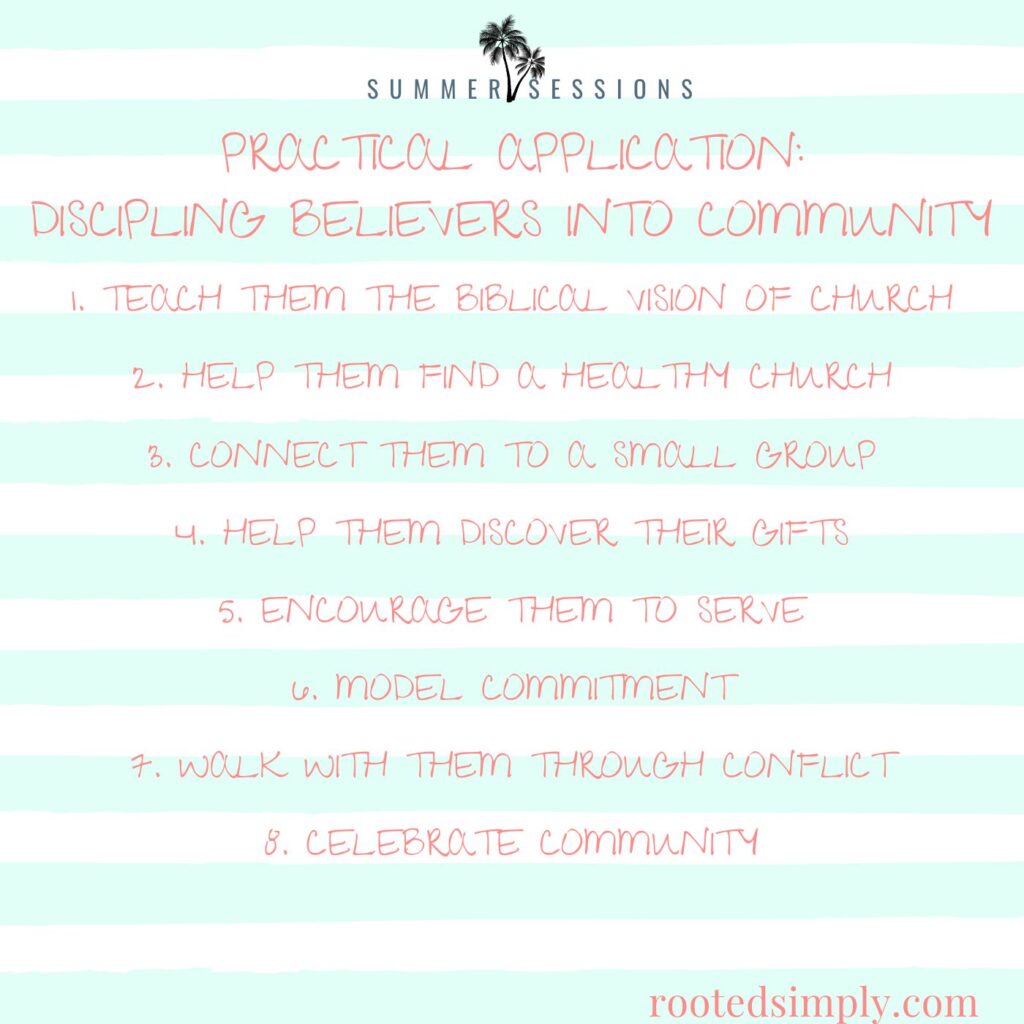
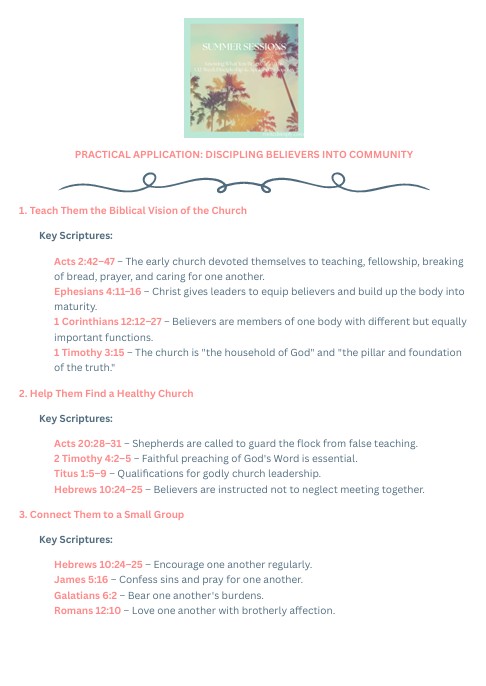
PRACTICAL APPLICATION: DISCIPLING BELIEVERS INTO COMMUNITY
Discipleship is not complete when a person professes faith in Jesus Christ. Biblical discipleship intentionally leads believers into the fellowship of the local church, where they worship, grow, serve, and participate in God’s mission together. Throughout the New Testament, believers are consistently portrayed as members of a spiritual family rather than isolated individuals. The local church is God’s primary context for spiritual formation, accountability, and ministry. Therefore, helping new believers embrace the church is an essential aspect of making mature disciples.
1. Teach Them the Biblical Vision of the Church
One of the first responsibilities in discipling new believers is to help them understand God’s design for the church. Many people view the church as merely a place to attend or a religious institution. Scripture, however, presents the church as the Body of Christ, the household of God, and a community of believers united by the Holy Spirit. The early church devoted itself to apostolic teaching, fellowship, prayer, worship, and mutual care, providing a model for Christian community today. Christ also established the church as the place where believers are equipped, nurtured, and built up toward spiritual maturity.
Key Scriptures:
Acts 2:42–47 – The early church devoted themselves to teaching, fellowship, breaking of bread, prayer, and caring for one another.
Ephesians 4:11–16 – Christ gives leaders to equip believers and build up the body into maturity.
1 Corinthians 12:12–27 – Believers are members of one body with different but equally important functions.
1 Timothy 3:15 – The church is “the household of God” and “the pillar and foundation of the truth.”
2. Help Them Find a Healthy Church
New believers should be encouraged to become rooted in a healthy, Bible-centered local church. A healthy church faithfully proclaims God’s Word, practices biblical discipleship, cultivates authentic fellowship, exercises loving accountability, and remains committed to the Great Commission. Church leaders should model humility and servant leadership while fostering an environment where believers can grow spiritually. Helping new Christians evaluate churches according to biblical standards protects them from unhealthy teaching and promotes long-term spiritual development.
A healthy church should demonstrate:
- Biblical preaching and teaching
- Genuine Christian fellowship
- Loving accountability
- Active participation in God’s mission
- Humble and servant-hearted leadership
Key Scriptures:
Acts 20:28–31 – Shepherds are called to guard the flock from false teaching.
2 Timothy 4:2–5 – Faithful preaching of God’s Word is essential.
Titus 1:5–9 – Qualifications for godly church leadership.
Hebrews 10:24–25 – Believers are instructed not to neglect meeting together.
3. Connect Them to a Small Group
While corporate worship is indispensable, deeper spiritual growth often occurs within smaller communities where believers can pray together, study Scripture, confess struggles, and encourage one another. Genuine relationships foster accountability, spiritual growth, and emotional support. Small groups provide a practical setting for believers to experience the “one another” commands found throughout the New Testament. It is often said that people grow in circles rather than rows because transformation occurs through authentic relationships rather than passive observation.
Key Scriptures:
Hebrews 10:24–25 – Encourage one another regularly.
James 5:16 – Confess sins and pray for one another.
Galatians 6:2 – Bear one another’s burdens.
Romans 12:10 – Love one another with brotherly affection.
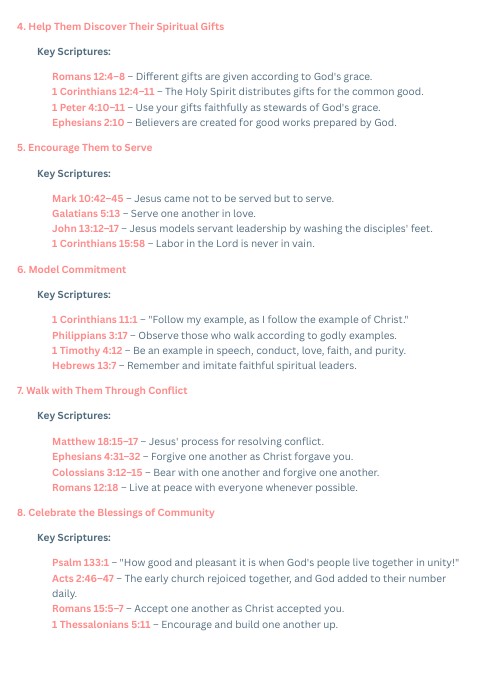
4. Help Them Discover Their Spiritual Gifts
Every believer receives spiritual gifts from the Holy Spirit for the purpose of serving others and strengthening the church. New Christians should be helped to identify their gifts through biblical instruction, mentoring relationships, spiritual gift assessments, prayer, and ministry experiences. Discovering these gifts enables believers to serve joyfully and effectively while recognizing that every member has a valuable contribution to make within the Body of Christ.
Key Scriptures:
Romans 12:4–8 – Different gifts are given according to God’s grace.
1 Corinthians 12:4–11 – The Holy Spirit distributes gifts for the common good.
1 Peter 4:10–11 – Use your gifts faithfully as stewards of God’s grace.
Ephesians 2:10 – Believers are created for good works prepared by God.
5. Encourage Them to Serve
Serving is an essential part of Christian maturity because it reflects the servant heart of Jesus Christ. Through ministry, believers discover purpose, develop humility, strengthen relationships, and become more deeply connected to their church family. Service transforms spectators into active participants in God’s kingdom. As believers use their gifts to meet the needs of others, they experience the joy of contributing to God’s work and helping build up the church.
Key Scriptures:
Mark 10:42–45 – Jesus came not to be served but to serve.
Galatians 5:13 – Serve one another in love.
John 13:12–17 – Jesus models servant leadership by washing the disciples’ feet.
1 Corinthians 15:58 – Labor in the Lord is never in vain.
6. Model Commitment
Discipleship is both taught and caught. New believers learn as much from observing faithful Christians as they do from formal instruction. Mature believers should model consistency in worship, prayer, service, generosity, evangelism, and love for the local church. A godly example inspires others to remain faithful and demonstrates what a life devoted to Christ looks like in everyday practice.
Key Scriptures:
1 Corinthians 11:1 – “Follow my example, as I follow the example of Christ.”
Philippians 3:17 – Observe those who walk according to godly examples.
1 Timothy 4:12 – Be an example in speech, conduct, love, faith, and purity.
Hebrews 13:7 – Remember and imitate faithful spiritual leaders.
7. Walk with Them Through Conflict
Conflict is inevitable because the church consists of redeemed yet imperfect people. New believers should be prepared to respond to disagreements with biblical wisdom rather than discouragement or withdrawal. They need guidance in practicing forgiveness, seeking reconciliation, extending grace, and exercising patience. Walking alongside them during difficult situations helps them develop spiritual maturity while preserving unity within the church.
Teach them to practice:
Forgiveness, Reconciliation, Patience, Humility, Love
Key Scriptures:
Matthew 18:15–17 – Jesus’ process for resolving conflict.
Ephesians 4:31–32 – Forgive one another as Christ forgave you.
Colossians 3:12–15 – Bear with one another and forgive one another.
Romans 12:18 – Live at peace with everyone whenever possible.
8. Celebrate the Blessings of Community
Finally, disciples should regularly be reminded of the joy and blessing that come through Christian fellowship. Sharing testimonies of transformed lives, answered prayers, restored relationships, and faithful service reinforces the value of belonging to God’s family. Celebrating God’s work within the church strengthens faith, inspires perseverance, and encourages believers to remain committed to the community that Christ established.
Key Scriptures:
Psalm 133:1 – “How good and pleasant it is when God’s people live together in unity!”
Acts 2:46–47 – The early church rejoiced together, and God added to their number daily.
Romans 15:5–7 – Accept one another as Christ accepted you.
1 Thessalonians 5:11 – Encourage and build one another up.
Discipling believers into biblical community is not merely about increasing church attendance; it is about helping Christians become fully integrated into the life of the Body of Christ. As new believers learn the biblical purpose of the church, become rooted in a healthy congregation, build meaningful relationships, discover and use their spiritual gifts, serve faithfully, follow godly examples, navigate conflict with grace, and celebrate the blessings of Christian fellowship, they mature into committed disciples who glorify God and strengthen His church. Healthy churches are built through healthy disciples, and healthy disciples flourish in biblical community, fulfilling God’s design for His people (Ephesians 4:15–16; Hebrews 10:24–25).
THE CHURCH IS GOD’S GIFT TO YOU—AND YOU ARE GOD’S GIFT TO THE CHURCH
The church is not perfect. But it is precious.
It is:
the body of Christ
the family of God
the temple of the Spirit
the bride of Christ
the witness to the world
the community of the redeemed
You cannot love Jesus and reject His bride. You cannot follow Jesus and ignore His body. You cannot grow in Jesus and avoid His people.
The church is not optional. It is essential. It is beautiful. It is God’s idea. It is God’s plan. It is God’s gift.
And in a skeptical world, the church—when healthy, humble, unified, and Spirit-filled—is the most powerful witness to the reality of Jesus.
This is really a comprehensive and balanced view. And Ephesians is one of my favorite books of the Bible. Great job with this.