

Week 3: Exploring Psalms of Lament and Sorrow
Welcome to Week 3 of our journey through the Psalms. This week, we’ll delve into the Psalms of lament and sorrow. These heartfelt prayers and songs provide a profound look into the human experience of suffering, yet they also offer a path to trusting God and seeking His deliverance. Let’s explore selected Psalms of lament—Psalm 22, Psalm 42, Psalm 55, and Psalm 69—and reflect on their themes and relevance to our own lives.
Psalms of Lament and Sorrow
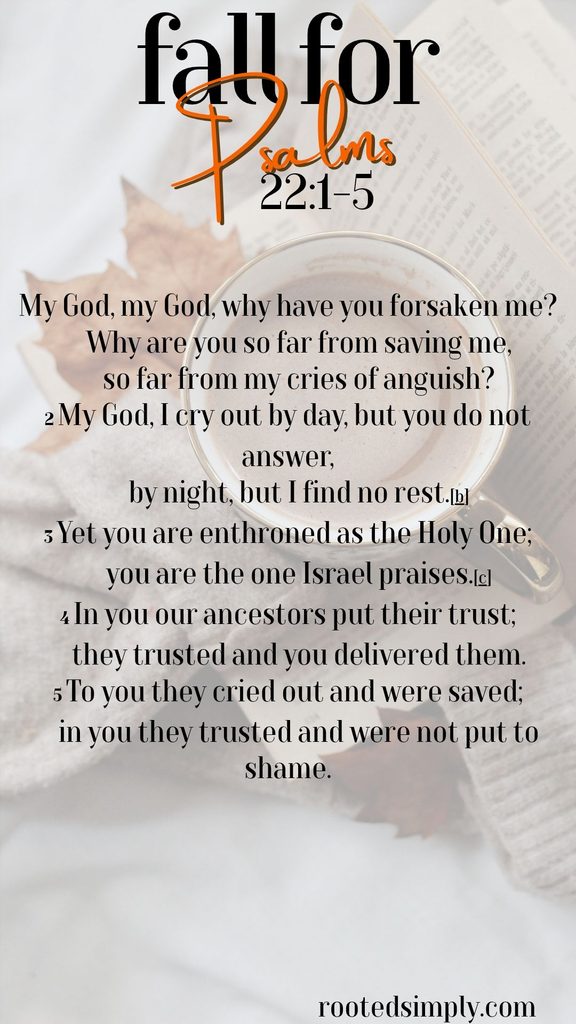
Psalm 22: “My God, my God, why have you forsaken me? Why are you so far from saving me, from the words of my groaning?”
Psalm 22 is a powerful expression of anguish and abandonment, yet it transitions into a declaration of trust and praise. The psalmist begins with a cry of despair, feeling forsaken by God, but ultimately reaffirms faith in God’s deliverance. This Psalm is often associated with the suffering of Jesus on the cross, highlighting its deep emotional and spiritual resonance.
Psalm 42: “As a deer pants for flowing streams, so pants my soul for you, O God.”
Psalm 42 captures the longing and desperation of a soul in distress. The psalmist laments the absence of God’s presence, expressing deep thirst for God amidst suffering. Despite the sorrow, there is a recurring refrain of hope, “Why are you cast down, O my soul, and why are you in turmoil within me? Hope in God; for I shall again praise him, my salvation and my God.”

Psalm 55: “Cast your burden on the Lord, and he will sustain you; he will never permit the righteous to be moved.”
In Psalm 55, the psalmist voices profound betrayal and fear. Surrounded by enemies and feeling the sting of a friend’s treachery, the psalmist turns to God in prayer, seeking relief and justice. The Psalm emphasizes the importance of casting burdens on God, trusting in His sustenance and protection.
Psalm 69: “Save me, O God! For the waters have come up to my neck.”
Psalm 69 is a cry for rescue from overwhelming troubles. The psalmist feels engulfed by adversities and pleads for God’s intervention. Despite the intense suffering described, the Psalm also includes vows of praise and thanksgiving, illustrating a deep-seated trust in God’s eventual deliverance.
Themes of Suffering, Trust in God, and Seeking Deliverance
Suffering: The Psalms of lament vividly portray human suffering, encompassing feelings of abandonment, betrayal, fear, and distress. They give voice to the raw emotions that many experience during times of hardship, allowing believers to express their pain honestly before God.
Trust in God: Despite the profound sorrow and struggle depicted, these Psalms consistently return to themes of trust and hope in God. The psalmists often remind themselves and others to place their faith in God’s unfailing love and faithfulness, even when circumstances seem dire.
Seeking God’s Deliverance: A common thread in these Psalms is the plea for God’s intervention and deliverance. The psalmists turn to God as their ultimate source of help and salvation, seeking His rescue from their troubles and reaffirming their belief in His power to save.
Reflecting on Personal Struggles and Finding Hope in God
Acknowledge Your Pain: Like the psalmists, it’s important to honestly acknowledge your struggles and emotions. Bringing your pain and sorrow before God is the first step in seeking His comfort and healing.
Express Your Trust: Even in the midst of suffering, reaffirm your trust in God’s goodness and faithfulness. Remembering His past faithfulness can help reinforce your hope in His present and future deliverance.
Seek God’s Presence: When you feel distant from God, actively seek His presence through prayer, worship, and reading Scripture. Psalm 42’s imagery of a deer panting for water reminds us of the necessity of longing for God and His sustaining presence.
Cast Your Burdens on God: Following the example of Psalm 55, cast your burdens on the Lord, trusting that He will sustain you. This act of surrender can bring peace, knowing that God cares for you and is in control.
Find Hope in Community: The psalmists often voiced their laments within the context of the faith community. Sharing your struggles with trusted friends or a faith community can provide support and encouragement.
As we reflect on these Psalms of lament and sorrow, may we find comfort in knowing that God hears our cries and understands our pain. Let us draw closer to Him, trusting in His deliverance and finding hope in His steadfast love.
Reflective Questions
Have you ever experienced a season of lament or sorrow where a Psalm resonated deeply with your emotions?
What lessons can we learn from the Psalms of lament about processing grief and seeking God’s comfort?
How does trust in God’s faithfulness help us navigate through times of sorrow and difficulty?
In what ways can you encourage others who may be going through a season of lament or sorrow?